Kamala Devi Hospital

Epiphysiodesis: A Surgical Procedure to Correct Growth Abnormalities

Types of clubfoot

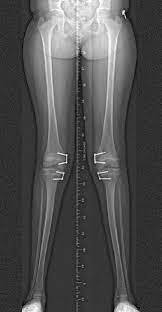
Epiphysiodesis is a surgical procedure aimed at modifying or halting the growth of a bone by targeting the growth plate (physis). It is primarily used in pediatric orthopedics to correct limb length discrepancies and angular deformities caused by uneven growth. By controlling bone growth, epiphysiodesis helps achieve better limb alignment and equalization, improving function and preventing long-term complications.

This article provides an in-depth overview of epiphysiodesis, including its indications, techniques, preoperative planning, postoperative care, and outcomes.

What is Epiphysiodesis?

The term “epiphysiodesis” refers to the surgical fusion or arrest of the growth plate, which is the area of developing tissue near the ends of long bones in children and adolescents. The growth plate is responsible for longitudinal bone growth. By selectively stopping growth in one part of a bone, surgeons can correct discrepancies in limb length or angular deformities.

Epiphysiodesis can be temporary or permanent, depending on the technique used and the clinical goals.

Indications for Epiphysiodesis

Clubfoot happens because of an issue with your child’s tendons, the tissues that connect muscle to bone. The tendons in your baby’s leg and foot are shorter and tighter than they should be. That causes the foot to twist. About half of babies with clubfoot have an issue with both feet.

Epiphysiodesis is indicated in various clinical scenarios, including:

  • Limb length discrepancy (LLD): When one limb is significantly longer than the other, causing gait abnormalities, back pain, or functional impairment.
  • Angular deformities: Such as genu valgum (knock-knee) or genu varum (bow-leg) due to asymmetric growth.
  • Growth modulation: To guide bone growth in conditions like Blount’s disease or certain metabolic bone disorders.
  • Correction of deformities in conditions like cerebral palsy or skeletal dysplasias.

The decision to perform epiphysiodesis depends on the child’s age, remaining growth potential, and the degree of discrepancy or deformity.

Types of Epiphysiodesis

There are two main types of epiphysiodesis:

1. Permanent Epiphysiodesis

  • Involves surgical destruction or fusion of the growth plate.
  • Growth arrest is irreversible.
  • Techniques include open surgery with curettage or drilling of the physis.
  • Used when precise and permanent growth arrest is required.

2. Temporary Epiphysiodesis (Growth Modulation

  • Uses implants such as tension band plates or staples to temporarily inhibit growth.
  • Growth resumes after implant removal.
  • Allows gradual correction of deformities.
  • Preferred in cases where reversible modulation is desired.

Preoperative Evaluation and Planning

Successful epiphysiodesis requires meticulous planning:

  • Clinical assessment: Measuring limb lengths, evaluating gait, and assessing joint function.
  • Imaging: X-rays to determine bone age, growth plate status, and to measure discrepancies.
  • Growth prediction: Using methods like the Green-Anderson charts or the Moseley straight-line graph to estimate remaining growth and timing of surgery.
  • Timing: Surgery is ideally performed when the predicted remaining growth will allow correction of the discrepancy by the time of skeletal maturity.

Surgical Techniques

Permanent Epiphysiodesis

  • Performed under general anesthesia.
  • Small incisions are made over the growth plate.
  • The physis is ablated by drilling, curettage, or using a burr.
  • Care is taken to avoid damage to surrounding structures.
  • The procedure is usually done on the distal femur, proximal tibia, or other affected sites.

Temporary Epiphysiodesis

  • Implants such as tension band plates or staples are placed across the growth plate.
  • These devices apply mechanical pressure to slow growth on one side of the physis.
  • The procedure is minimally invasive.
  • Implants are removed once the desired correction is achieved.

Postoperative Care

  • Patients are usually allowed to bear weight as tolerated soon after surgery.
  • Follow-up visits include clinical and radiographic evaluation every 3 to 6 months.
  • Monitoring is essential to assess correction progress and detect complications.
  • In temporary epiphysiodesis, implant removal is scheduled once correction is adequate.

Outcomes and Prognosis

Epiphysiodesis is generally effective in correcting limb length discrepancies and angular deformities when performed at the appropriate time. Key factors influencing outcomes include:

  • Accurate timing of surgery relative to growth potential.
  • Precise surgical technique.
  • Regular follow-up and monitoring.

Successful epiphysiodesis results in improved limb symmetry, better gait mechanics, and reduced risk of secondary complications such as joint degeneration.

Risks and Complications

While epiphysiodesis is considered safe, potential complications include:

  • Overcorrection or undercorrection: Due to inaccurate growth prediction or timing.
  • Infection: At the surgical site.
  • Implant-related issues: Such as migration or breakage in temporary epiphysiodesis.
  • Joint stiffness or pain.
  • Neurovascular injury: Rare but possible.

Advantages of Epiphysiodesis

  • Minimally invasive options available.
  • Avoids more complex reconstructive surgeries.
  • Can be tailored to individual patient needs.
  • Allows gradual correction in temporary techniques.

Conclusion

Epiphysiodesis is a valuable surgical tool in pediatric orthopedics for managing growth-related deformities and limb length discrepancies. With careful patient selection, precise timing, and appropriate surgical technique, it offers excellent outcomes and improves quality of life for affected children.

Early diagnosis and intervention, combined with regular monitoring, are essential to maximize the benefits of epiphysiodesis and minimize complications. Parents and caregivers should consult with a pediatric orthopedic specialist if limb length differences or deformities are suspected to ensure timely and effective treatment.

Welcome to KamalaDevi Hospital

Aenean porta orci nam commodo felis hac ridiculus fusce fames maximus erat sed dictumst blandit arcu suspendisse sollicitudin luctus in nec

Make an Appointment.