Kamala Devi Hospital

Joint Aspiration (Arthrocentesis)

Joint Aspiration (Arthrocentesis) : A Comprehensive Overview

Introduction

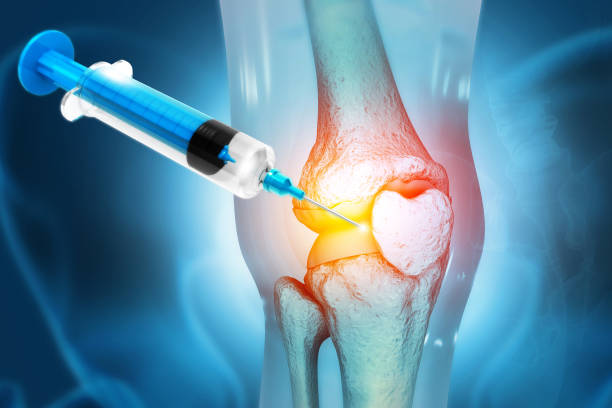
Joint aspiration, also known as arthrocentesis, is a medical procedure that involves the removal of fluid from a joint using a needle and syringe. This technique is both diagnostic and therapeutic, playing a crucial role in the management of various joint disorders. By extracting synovial fluid, healthcare providers can analyze it to diagnose infections, inflammatory conditions, or crystal-induced arthritis, and also relieve joint swelling and pain. Understanding joint aspiration is important for patients and clinicians alike, as it aids in timely diagnosis and effective treatment of joint-related ailments.

Anatomy / Background

Joints are the connections between bones that allow movement and provide mechanical support. Most joints are synovial joints, characterized by a joint capsule lined with synovial membrane that produces synovial fluid. This fluid lubricates the joint, reduces friction, and nourishes the cartilage. Commonly aspirated joints include the knee, shoulder, elbow, wrist, ankle, and hip.

The synovial fluid resides within the joint cavity, surrounded by the joint capsule and supported by ligaments and tendons. In pathological conditions, excess fluid (effusion) can accumulate, causing swelling and pain. Arthrocentesis targets this fluid to obtain samples for laboratory analysis or to reduce pressure within the joint.

Causes / Etiology

Joint aspiration is typically performed when there is an abnormal accumulation of fluid in the joint, which can be caused by:

  • Infections (Septic arthritis): Bacterial, viral, or fungal infections can invade the joint space, leading to inflammation and pus formation.
  • Inflammatory arthritis: Conditions such as rheumatoid arthritis, gout, and pseudogout cause inflammation and fluid buildup.
  • Trauma: Injury to the joint can cause bleeding or inflammation, resulting in effusion.
  • Osteoarthritis: Degenerative joint disease may cause mild effusions due to cartilage breakdown.
  • Other causes: Tumors, bleeding disorders, or systemic diseases like lupus can also lead to joint effusions.

Risk factors include a history of joint injury, immunosuppression, existing joint disease, or recent infections.

Symptoms / Clinical Presentation

Patients requiring joint aspiration often present with:

  • Joint swelling: Visible enlargement due to fluid accumulation.
  • Pain: Ranges from mild discomfort to severe, especially with movement.
  • Reduced range of motion: Stiffness or difficulty moving the joint.
  • Warmth and redness: Signs of inflammation or infection.
  • Fever and malaise: May accompany infectious causes.

The severity and combination of symptoms depend on the underlying cause.

Diagnosis

Diagnosis involves a combination of clinical evaluation and investigations:

  • Physical examination: Inspection, palpation, and assessment of joint mobility.
  • Imaging: X-rays, ultrasound, or MRI can detect effusion and guide aspiration.
  • Laboratory tests: Blood tests for markers of inflammation or infection.
  • Synovial fluid analysis: The cornerstone of diagnosis, involving:
    • Appearance: Clear, cloudy, or purulent.
    • Cell count: Elevated white blood cells suggest infection or inflammation.
    • Gram stain and culture: Identify infectious organisms.
    • Crystal analysis: Detects gout or pseudogout crystals.
    • Other tests: Glucose, protein, and lactate levels.

Treatment Options

Treatment depends on the underlying cause identified through aspiration:

  • Non-surgical:

    • Antibiotics: For septic arthritis.
    • Anti-inflammatory medications: NSAIDs or corticosteroids for inflammatory arthritis.
    • Rest and immobilization: To reduce joint stress.
    • Physical therapy: To restore function after inflammation subsides.
  • Surgical:

    • Repeated arthrocentesis: For persistent effusions.
    • Arthroscopic lavage: Washing out the joint in severe infections.
    • Synovectomy or joint replacement: In chronic or destructive joint diseases.

Procedure Details

The joint aspiration procedure typically involves the following steps:

  1. Preparation: The patient is positioned comfortably, and the skin over the joint is cleaned with antiseptic solution.
  2. Anesthesia: Local anesthetic may be applied to minimize discomfort.
  3. Needle insertion: Using anatomical landmarks or ultrasound guidance, a sterile needle is inserted into the joint space.
  4. Fluid withdrawal: Synovial fluid is aspirated into a syringe.
  5. Sample handling: Fluid is sent for laboratory analysis.
  6. Post-procedure care: The needle is removed, and a sterile dressing is applied.

The procedure usually takes a few minutes and is performed in an outpatient setting.

Postoperative Care / Rehabilitation

After joint aspiration:

  • Rest: Avoid strenuous activity for 24-48 hours.
  • Ice application: To reduce swelling and pain.
  • Monitor for complications: Such as increased pain, redness, or fever.
  • Follow-up: Review laboratory results and adjust treatment accordingly.
  • Physical therapy: May be recommended to restore joint mobility and strength.

Risks and Complications

Though generally safe, joint aspiration carries some risks:

  • Infection: Introducing bacteria into the joint.
  • Bleeding: Especially in patients with clotting disorders.
  • Pain or discomfort: During or after the procedure.
  • Allergic reactions: To local anesthetics.
  • Damage to surrounding structures: Such as nerves or blood vessels.

Proper technique and sterile conditions minimize these risks.

Prognosis

The prognosis after joint aspiration depends on the underlying condition:

  • Infectious arthritis: Prompt treatment can lead to full recovery.
  • Inflammatory arthritis: May require ongoing management.
  • Traumatic effusions: Usually resolve with conservative care.
  • Chronic joint diseases: May have variable outcomes.

Early diagnosis and treatment improve outcomes significantly.

When to See a Doctor

Seek medical attention if you experience:

  • Sudden joint swelling and severe pain.
  • Fever with joint symptoms.
  • Inability to move the joint.
  • Signs of infection such as redness, warmth, or pus.
  • Persistent or worsening symptoms despite treatment.

Timely evaluation can prevent complications and preserve joint function.

Conclusion

Joint aspiration (arthrocentesis) is a vital procedure for diagnosing and managing joint disorders. By understanding its purpose, procedure, and associated care, patients can better appreciate its role in relieving symptoms and guiding treatment. If you experience joint swelling, pain, or other related symptoms, consult a healthcare professional promptly to determine if joint aspiration is appropriate for your condition. Early intervention can lead to improved outcomes and enhanced quality of life.

Welcome to KamalaDevi Hospital

Aenean porta orci nam commodo felis hac ridiculus fusce fames maximus erat sed dictumst blandit arcu suspendisse sollicitudin luctus in nec

Make an Appointment.