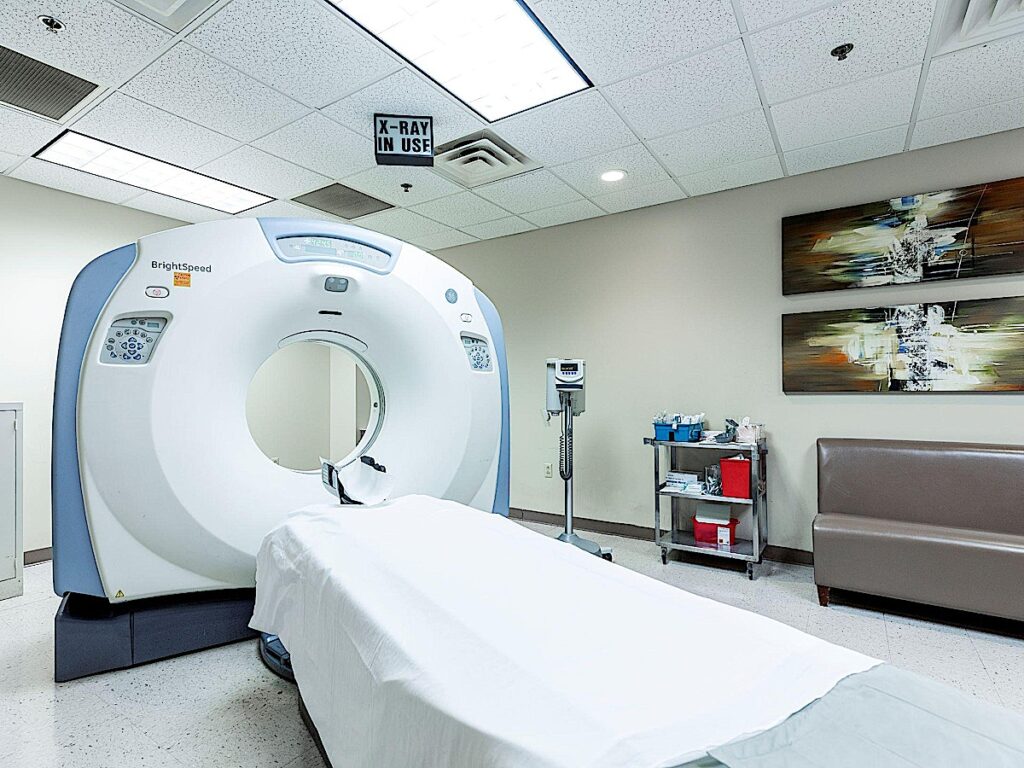
A CT scan, or computed tomography scan, is a sophisticated medical imaging technique that combines X-rays and computer technology to produce detailed cross-sectional images of the body. Unlike traditional X-rays, which provide flat, two-dimensional images, CT scans generate three-dimensional views, allowing healthcare professionals to examine internal structures with remarkable clarity. This technology plays a crucial role in diagnosing a wide range of medical conditions, guiding treatment plans, and monitoring disease progression. Its importance lies in its ability to detect abnormalities that may not be visible on standard X-rays, making it an indispensable tool in modern medicine.
To appreciate the utility of a CT scan, it helps to understand the basic anatomy and physiology of the human body. The body is composed of various tissues—bone, muscle, fat, organs, and blood vessels—each with different densities. CT scanners use X-rays to measure how much radiation is absorbed by these tissues. Dense structures like bones absorb more X-rays and appear white on the scan, while less dense tissues such as muscles and organs appear in shades of gray. Air-filled spaces, like the lungs, appear black. This contrast allows for detailed visualization of anatomical structures, including the brain, chest, abdomen, pelvis, and extremities.
The diagnosis process involving a CT scan typically includes:
While a CT scan itself is a diagnostic procedure and not a treatment, the information it provides guides treatment decisions, which may include:
The CT scan procedure is generally straightforward and painless:
Since CT scanning is non-invasive, there is no postoperative care required. However, if the scan leads to a surgical or interventional procedure, postoperative care will depend on the specific treatment. Patients should:
CT scans are generally safe but carry some risks:
The prognosis depends on the underlying condition diagnosed by the CT scan. Early and accurate diagnosis facilitated by CT imaging often leads to better treatment outcomes. For many conditions, CT scans enable timely interventions that can significantly improve prognosis.
CT scans are a vital diagnostic tool that provide detailed images of the body’s internal structures, aiding in the diagnosis and management of numerous medical conditions. While generally safe, they should be used judiciously to minimize radiation exposure. If you experience concerning symptoms or have been advised to undergo a CT scan, consult your healthcare provider to understand the benefits and risks. Early diagnosis through CT imaging can be life-saving and is a cornerstone of modern medical care.
Aenean porta orci nam commodo felis hac ridiculus fusce fames maximus erat sed dictumst blandit arcu suspendisse sollicitudin luctus in nec