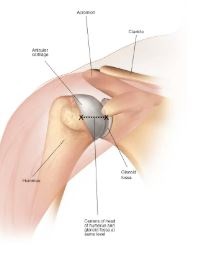
Shoulder replacement removes damaged areas of bone and replaces them with parts made of metal and plastic (implants). This surgery is called shoulder arthroplasty (ARTH-row-plas-tee).
The shoulder is a ball-and-socket joint. The round head (ball) of the upper arm bone fits into a shallow socket in the shoulder. Damage to the joint can cause pain, weakness and stiffness.
Shoulder implants are available in a few different shapes and a range of sizes. Replacement options include partial and total using either anatomic or reverse implants.
Shoulder replacement surgery is done to relieve pain and other symptoms that result from damage to the shoulder joint.
Conditions that can damage the joint include:
Depending on the type of joint damage you have, your doctor may recommend one of the following shoulder replacement options:
Although rare, it’s possible that shoulder replacement surgery won’t lessen your pain or make it go away completely. The surgery may not fully restore the movement or strength of the joint. In some cases, another surgery may be needed.
Potential complications of shoulder replacement surgery include:
Before surgery is scheduled, you’ll meet with your surgeon for evaluation. This visit typically includes:
Some questions you may want to ask include:
Other members of the care team will assess your readiness for surgery. You’ll be asked about your medical history, your medicines and whether you use tobacco. Tobacco interferes with healing.
You may meet with a physical therapist who will explain how to do physical therapy exercises and how to use a type of sling (immobilizer) that prevents your shoulder from moving.
Currently, many people leave the hospital the same day of the shoulder replacement procedure.
Follow your surgeon’s directions about bathing, eating and taking medicines the day before and the day of surgery.
A team member will talk with you about how you’ll be sedated for surgery. Most people get general anesthesia and a nerve block. General anesthesia puts you into a deep sleep. The nerve block numbs your shoulder so that pain control can continue after you wake up from general anesthesia. The surgery usually takes 1 to 2 hours.
After surgery, you’ll rest in a recovery area for a short time. X-rays will be obtained. Your shoulder will be in an immobilizer. Don’t try to move your shoulder unless you’re told to do so.
How long you stay after surgery depends on your individual needs. Many people can go home that same day.
Aenean porta orci nam commodo felis hac ridiculus fusce fames maximus erat sed dictumst blandit arcu suspendisse sollicitudin luctus in nec