Kamala Devi Hospital

Gait Analysis: A Comprehensive Overview

Introduction

Gait analysis is the systematic study of human walking patterns. It involves assessing the way a person moves to identify abnormalities, inefficiencies, or underlying medical conditions. This field is crucial in medicine, rehabilitation, sports science, and biomechanics because walking is a fundamental activity of daily life. Abnormal gait can indicate neurological, musculoskeletal, or developmental issues, and understanding these patterns helps clinicians design effective treatment plans to improve mobility, reduce pain, and enhance quality of life.

Anatomy / Background

To appreciate gait analysis, it is essential to understand the anatomy and physiology involved in walking. Gait is a complex, coordinated activity involving the nervous system, muscles, bones, and joints.

  • Musculoskeletal System: Key joints include the hips, knees, and ankles, which provide the range of motion necessary for walking. Muscles such as the quadriceps, hamstrings, calf muscles, and gluteals generate the forces required for movement.
  • Nervous System: The brain, spinal cord, and peripheral nerves coordinate muscle contractions and balance.
  • Phases of Gait: The gait cycle consists of two main phases:
    • Stance Phase: When the foot is in contact with the ground (about 60% of the cycle).
    • Swing Phase: When the foot is off the ground, moving forward (about 40% of the cycle).

Normal gait is symmetrical and efficient, allowing smooth, energy-conserving movement.

Causes / Etiology

Abnormal gait can result from a variety of causes, including:

  • Neurological Disorders: Conditions such as stroke, Parkinson’s disease, cerebral palsy, multiple sclerosis, and peripheral neuropathy can disrupt muscle control and coordination.
  • Musculoskeletal Problems: Arthritis, fractures, joint deformities, muscle weakness, or limb length discrepancies affect gait mechanics.
  • Injuries: Sprains, strains, or trauma to the lower limbs can alter walking patterns.
  • Developmental Issues: Congenital deformities or delayed motor development in children.
  • Pain: Pain in the foot, knee, hip, or back often leads to compensatory gait changes.
  • Aging: Natural decline in muscle strength, joint flexibility, and balance can affect gait.

Symptoms / Clinical Presentation

Patients with gait abnormalities may present with:

  • Limping or uneven steps.
  • Reduced walking speed or endurance.
  • Difficulty maintaining balance.
  • Stiffness or dragging of one or both legs.
  • Frequent tripping or falling.
  • Visible asymmetry in limb movement.
  • Pain during walking.
  • Fatigue or discomfort after walking short distances.

Diagnosis

Diagnosing gait abnormalities involves a combination of clinical evaluation and technological assessment:

  • Clinical Examination: A healthcare provider observes the patient walking, noting stride length, cadence, symmetry, and posture. Neurological and musculoskeletal exams assess strength, reflexes, sensation, and joint function.
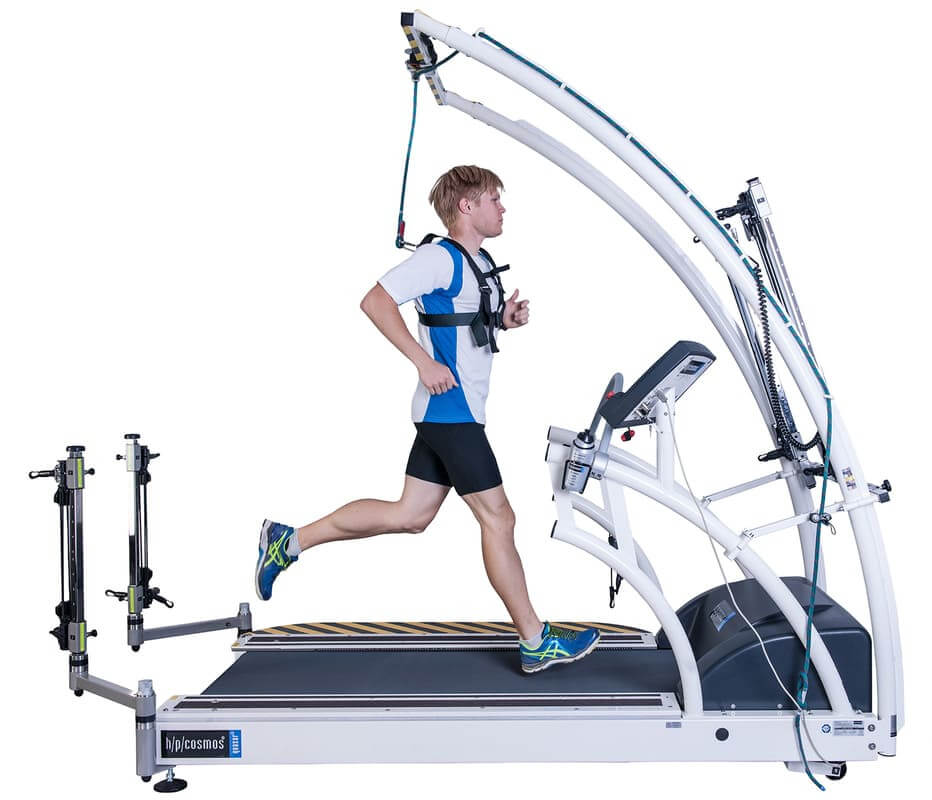
  • Gait Analysis Technology: Advanced tools include:
    • Motion Capture Systems: Cameras track reflective markers placed on the body to analyze joint angles and movement patterns.
    • Force Plates: Measure ground reaction forces during walking.
    • Electromyography (EMG): Records muscle activity.
    • Pressure Sensors: Assess foot pressure distribution.
  • Imaging: X-rays, MRI, or CT scans may be used to identify structural abnormalities.
  • Laboratory Tests: To diagnose underlying conditions like infections or metabolic disorders.

Treatment Options

Treatment depends on the underlying cause and severity of gait abnormalities.

Non-Surgical Treatments
  • Physical Therapy: Strengthening, stretching, balance training, and gait retraining exercises.
  • Orthotic Devices: Shoe inserts, braces, or walkers to support proper alignment and stability.
  • Medications: To manage pain, inflammation, or neurological symptoms.
  • Assistive Devices: Canes or crutches to improve mobility.
  • Lifestyle Modifications: Weight management, activity adjustments.
Surgical Treatments

Surgery may be necessary for structural problems or severe neurological impairments:

  • Joint Replacement: For arthritis-damaged hips or knees.
  • Tendon Lengthening or Transfer: To correct muscle imbalances.
  • Nerve Decompression or Repair: In cases of nerve entrapment.
  • Corrective Osteotomy: Bone realignment procedures.
  • Deep Brain Stimulation: For Parkinson’s disease-related gait issues.

Procedure Details

For example, in a total knee replacement:

  1. The patient is anesthetized.
  2. The surgeon makes an incision over the knee.
  3. Damaged bone and cartilage are removed.
  4. Metal and plastic components are implanted to restore joint function.
  5. The incision is closed, and the knee is bandaged.

Each surgical procedure varies but generally aims to restore alignment, reduce pain, and improve function.

Postoperative Care / Rehabilitation

Recovery involves:

  • Pain Management: Medications and ice therapy.
  • Physical Therapy: Early mobilization, range-of-motion exercises, and gradual strengthening.
  • Wound Care: Monitoring for infection.
  • Follow-Up Visits: To assess healing and progress.
  • Assistive Devices: Temporary use of walkers or crutches.
  • Long-Term Rehabilitation: To regain full function and prevent complications.

Risks and Complications

Potential risks include:

  • Infection.
  • Blood clots.
  • Nerve or blood vessel injury.
  • Implant failure or loosening (in joint replacements).
  • Persistent pain or stiffness.
  • Falls during recovery.
  • Incomplete correction of gait abnormalities.

Prognosis

With appropriate treatment, many patients experience significant improvement in walking ability and quality of life. Early intervention and adherence to rehabilitation protocols enhance outcomes. Chronic or severe conditions may require ongoing management.

When to See a Doctor

Seek medical attention if you experience:

  • Sudden changes in walking ability.
  • Persistent limping or imbalance.
  • Frequent falls.
  • Pain that limits walking.
  • Weakness or numbness in the legs.
  • Difficulty standing or maintaining posture.

Early evaluation can prevent complications and improve treatment success.

Conclusion

Gait analysis is a vital tool in diagnosing and managing walking abnormalities. Understanding the anatomy, causes, and treatment options empowers patients and clinicians to address mobility challenges effectively. If you or a loved one experiences gait difficulties, consulting a healthcare professional is essential for accurate diagnosis and personalized care. Through comprehensive assessment and targeted interventions, improved mobility and enhanced quality of life are achievable goals.

Welcome to KamalaDevi Hospital

Aenean porta orci nam commodo felis hac ridiculus fusce fames maximus erat sed dictumst blandit arcu suspendisse sollicitudin luctus in nec

Make an Appointment.