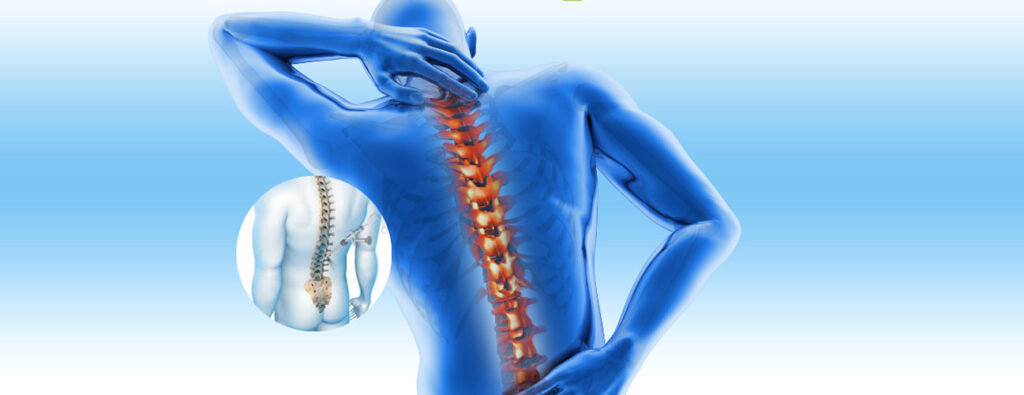
Microdiscectomy is a minimally invasive surgical procedure designed to relieve pressure on spinal nerves caused by herniated discs, primarily in the lumbar (lower back) region. It is one of the most common surgeries performed to treat sciatica and other nerve compression symptoms resulting from disc herniation. This procedure is important because it offers significant pain relief, improved mobility, and a quicker recovery compared to traditional open spine surgeries. Understanding microdiscectomy helps patients make informed decisions about their treatment options for back and leg pain related to disc problems.
The spine is composed of vertebrae stacked on top of each other, separated by intervertebral discs that act as shock absorbers. Each disc has a tough outer layer called the annulus fibrosus and a gel-like center called the nucleus pulposus. Nerves exit the spinal cord through spaces between vertebrae called foramina. When a disc herniates, the nucleus pulposus protrudes through a tear in the annulus fibrosus, potentially compressing nearby spinal nerves.
In the lumbar spine, nerve compression often causes pain, numbness, or weakness radiating down the leg, a condition known as sciatica. Microdiscectomy targets the herniated portion of the disc to relieve this nerve pressure.
Patients with a herniated lumbar disc typically present with:
Diagnosis of a herniated disc requiring microdiscectomy involves:
Most patients initially try conservative management, including:
Surgery is considered when:
Microdiscectomy is performed under general anesthesia and involves the following steps:
The minimally invasive nature of microdiscectomy allows for less tissue damage, reduced blood loss, and faster recovery compared to traditional open discectomy.
Though generally safe, microdiscectomy carries potential risks:
The prognosis after microdiscectomy is generally excellent:
Microdiscectomy is a highly effective surgical option for patients suffering from nerve compression due to herniated lumbar discs. Understanding the anatomy, causes, symptoms, and treatment options empowers patients to make informed decisions. While many cases improve with non-surgical care, microdiscectomy offers rapid relief and functional recovery when surgery is indicated. If you experience persistent back and leg pain or neurological symptoms, consult a healthcare professional for proper evaluation and personalized treatment planning. Early diagnosis and appropriate intervention can significantly improve quality of life and long-term outcomes.
Aenean porta orci nam commodo felis hac ridiculus fusce fames maximus erat sed dictumst blandit arcu suspendisse sollicitudin luctus in nec