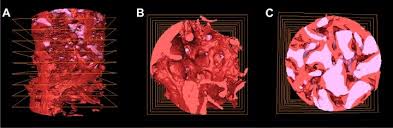
A bone biopsy is a medical procedure that involves the removal of a small sample of bone tissue for diagnostic examination. It plays a crucial role in identifying various bone disorders, including infections, tumors, metabolic bone diseases, and unexplained bone lesions. By analyzing the biopsy sample under a microscope, pathologists can determine the nature of the bone abnormality, guiding appropriate treatment decisions. Given the complexity of bone diseases and the importance of accurate diagnosis, bone biopsy remains an indispensable tool in orthopedic and oncologic medicine.
Bones are rigid organs that form the skeleton, providing structural support, protection for internal organs, and facilitating movement. They consist primarily of a dense outer layer called cortical bone and a spongy inner layer known as trabecular or cancellous bone. Bone tissue is composed of cells such as osteoblasts (which build bone), osteoclasts (which resorb bone), and osteocytes (mature bone cells), embedded in a mineralized matrix primarily made of calcium phosphate.
Understanding bone anatomy is essential for performing a biopsy safely and effectively. The biopsy site is selected based on the location of the lesion or abnormality detected through imaging studies. Common biopsy sites include long bones (femur, tibia), pelvis, and vertebrae.
The clinical presentation varies depending on the underlying cause of the bone lesion.
The diagnostic process leading to a bone biopsy typically includes:
The biopsy confirms the diagnosis, differentiates between benign and malignant conditions, and identifies infectious agents if present.
Treatment depends on the biopsy results and underlying diagnosis:
Non-surgical treatments:
Surgical treatments:
Bone biopsy itself is a diagnostic procedure rather than a treatment, but it guides the choice of therapy.
Bone biopsy can be performed using two main techniques:
Needle biopsy (percutaneous):
Open biopsy (surgical):
Needle biopsy is less invasive and preferred when feasible, while open biopsy is reserved for cases where needle biopsy is inconclusive or not possible.
After a bone biopsy:
Although generally safe, bone biopsy carries potential risks:
Proper technique and post-procedure care minimize these risks.
The prognosis after a bone biopsy depends on the underlying diagnosis:
The biopsy itself does not affect prognosis but is critical for guiding effective therapy.
Bone biopsy is a vital diagnostic procedure that provides definitive information about various bone disorders. Understanding the indications, procedure, and potential risks helps patients prepare and recover effectively. If you experience symptoms suggestive of bone disease or have abnormal imaging results, consult your healthcare provider to discuss whether a bone biopsy is appropriate. Early diagnosis and targeted treatment can significantly improve outcomes and quality of life.
Aenean porta orci nam commodo felis hac ridiculus fusce fames maximus erat sed dictumst blandit arcu suspendisse sollicitudin luctus in nec