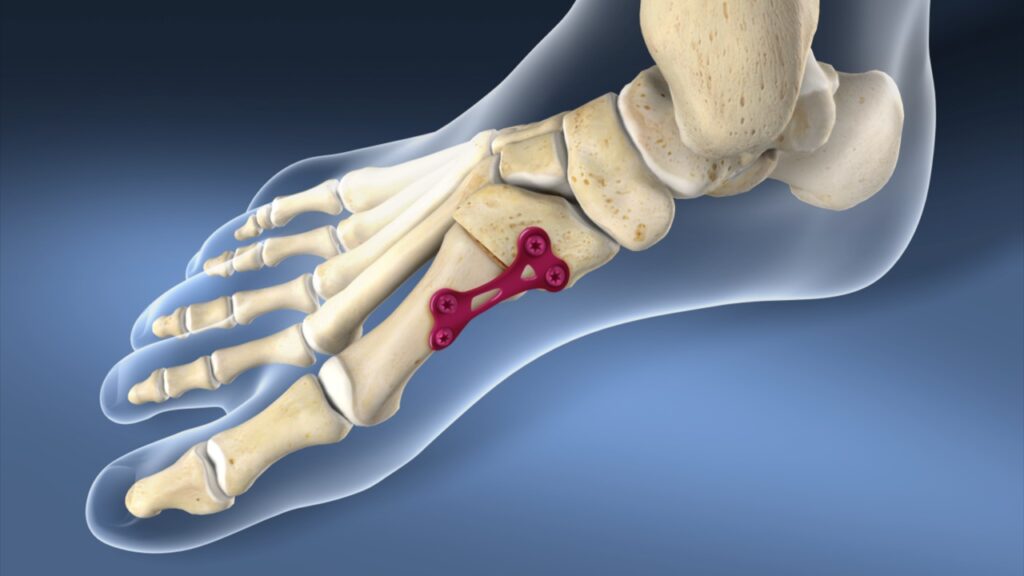
Arthrodesis, commonly known as joint fusion, is a surgical procedure that permanently joins two or more bones in a joint, eliminating movement between them. This technique is primarily used to relieve pain, restore stability, and improve function in joints severely affected by arthritis, trauma, or deformity. Although it sacrifices joint mobility, arthrodesis can significantly enhance quality of life for patients suffering from debilitating joint conditions. Understanding this procedure is important for patients and healthcare providers to make informed decisions about treatment options.
Joints are the connections between bones that allow for movement and flexibility. They are classified based on their structure and function, such as synovial joints (freely movable), cartilaginous joints (slightly movable), and fibrous joints (immovable). Synovial joints, like the knee, ankle, wrist, and spine, have a joint capsule, synovial fluid, cartilage, and ligaments that facilitate smooth motion.
In arthrodesis, the goal is to fuse the bones forming a joint by encouraging bone growth across the joint space, effectively converting a movable joint into a solid bone mass. This fusion eliminates pain caused by joint movement and instability but results in loss of joint motion.
Patients who may benefit from arthrodesis often present with:
Diagnosing the need for arthrodesis involves a thorough clinical evaluation and imaging studies:
Before considering arthrodesis, conservative management is typically attempted:
When non-surgical options fail, arthrodesis may be recommended. Other surgical alternatives include joint replacement, but fusion is preferred in cases where replacement is not feasible or has failed.
Arthrodesis involves several key steps:
The procedure duration and complexity depend on the joint involved and patient factors.
Recovery after arthrodesis requires careful management:
As with any surgery, arthrodesis carries potential risks:
The success of arthrodesis depends on factors such as the joint involved, patient health, and adherence to postoperative care. When successful, patients experience significant pain relief, improved joint stability, and enhanced function. However, the loss of joint mobility is permanent, and some patients may develop arthritis in adjacent joints over time.
Arthrodesis (joint fusion) is a valuable surgical option for managing severe joint pain and dysfunction when other treatments fail. By permanently fusing the joint, it provides pain relief and stability at the cost of joint mobility. Understanding the indications, procedure, risks, and recovery process is essential for patients considering this treatment. Always consult with a qualified healthcare professional to discuss personalized options and ensure optimal outcomes.
Aenean porta orci nam commodo felis hac ridiculus fusce fames maximus erat sed dictumst blandit arcu suspendisse sollicitudin luctus in nec