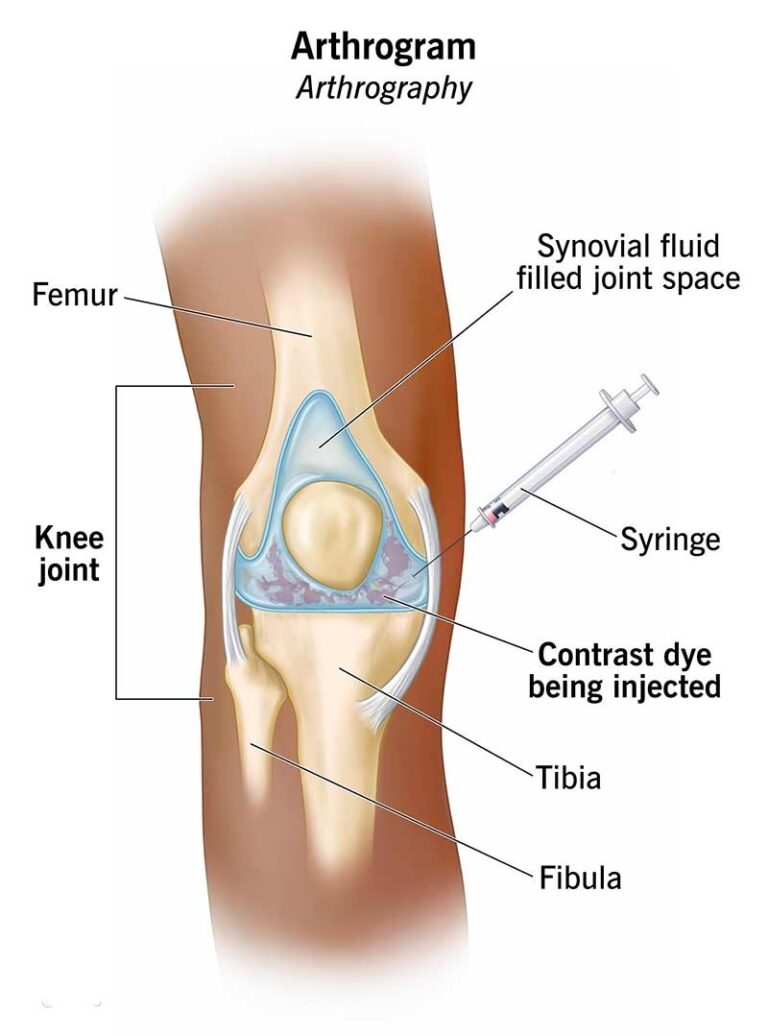
An arthrogram is a specialized medical imaging procedure used to evaluate the condition of joints. It involves the injection of a contrast dye into the joint space, followed by imaging techniques such as X-ray, computed tomography (CT), or magnetic resonance imaging (MRI). This procedure enhances the visualization of joint structures, including cartilage, ligaments, tendons, and the joint capsule, allowing for a more accurate diagnosis of joint abnormalities.
Arthrograms are important because they provide detailed information that cannot always be obtained through standard imaging alone. They are particularly useful in diagnosing joint injuries, degenerative diseases, and unexplained joint pain, guiding appropriate treatment plans and improving patient outcomes.
To understand an arthrogram, it is helpful to have a basic knowledge of joint anatomy. Joints are the connections between bones that allow movement and provide mechanical support. Key components of a joint include:
Common joints examined with arthrograms include the shoulder, knee, hip, wrist, and ankle. Damage or disease affecting any of these structures can impair joint function and cause pain.
The diagnostic process typically begins with a thorough clinical examination, including:
If these are inconclusive or if detailed visualization is needed, an arthrogram may be recommended. The procedure involves:
MRI arthrography is particularly valuable for soft tissue evaluation, while CT arthrography provides excellent bone detail.
The choice depends on the severity and type of joint pathology identified.
An arthrogram procedure generally follows these steps:
The entire procedure usually takes 30 to 60 minutes and is performed on an outpatient basis.
After an arthrogram:
While arthrograms are generally safe, potential risks include:
Patients should inform their healthcare provider of any allergies or medical conditions prior to the procedure.
The prognosis depends on the underlying joint condition diagnosed through the arthrogram. Early and accurate diagnosis allows for targeted treatment, which can improve symptoms and joint function. Many patients experience significant relief and return to normal activities following appropriate management.
An arthrogram is a valuable diagnostic tool that enhances the visualization of joint structures, aiding in the accurate diagnosis of various joint disorders. Understanding the procedure, its indications, and potential risks helps patients make informed decisions about their care. If you experience unexplained joint symptoms or have been advised to undergo an arthrogram, consult with your healthcare provider to discuss the benefits and what to expect. Timely diagnosis and treatment are key to maintaining joint health and quality of life.
Aenean porta orci nam commodo felis hac ridiculus fusce fames maximus erat sed dictumst blandit arcu suspendisse sollicitudin luctus in nec