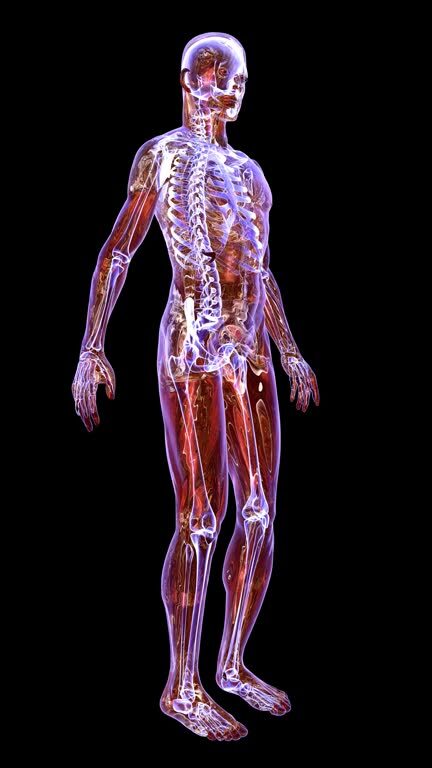
A bone scan is a specialized imaging test used to evaluate the health of bones. It plays a crucial role in detecting abnormalities such as fractures, infections, tumors, or other bone diseases that may not be visible on standard X-rays. By providing detailed information about bone metabolism and blood flow, bone scans help physicians diagnose conditions early, guide treatment decisions, and monitor the effectiveness of therapies. This article offers an in-depth look at bone scans, including their purpose, procedure, and clinical significance.
Bones are living tissues that constantly undergo remodeling—a balance between bone formation and resorption. This dynamic process is regulated by cells called osteoblasts (which build bone) and osteoclasts (which break down bone). The skeleton supports the body structurally, protects vital organs, and serves as a reservoir for minerals like calcium and phosphorus.
Bone scans utilize a radioactive tracer, typically technetium-99m-labeled diphosphonates, which preferentially accumulate in areas of increased bone turnover. These areas emit gamma rays detected by a special camera, creating images that highlight regions of abnormal bone activity. Understanding bone physiology helps explain why bone scans are sensitive to a variety of pathological processes.
The diagnostic process for bone-related conditions typically involves:
Bone scans are highly sensitive but not specific; abnormal uptake indicates increased bone activity but does not pinpoint the exact cause, necessitating correlation with clinical and other imaging findings.
Treatment depends on the underlying diagnosis revealed by the bone scan:
Non-Surgical Treatments:
Surgical Treatments:
The bone scan guides treatment planning by identifying the extent and activity of bone pathology.
The bone scan procedure involves several steps:
The radiation dose is low and generally considered safe for most patients.
Since a bone scan is a diagnostic test rather than a treatment, there is no postoperative care specific to the scan itself. However, if the scan leads to surgical intervention, postoperative care will depend on the procedure performed and may include:
Patients should follow their healthcare provider’s instructions closely to ensure optimal recovery.
Bone scans are generally safe, but potential risks include:
Because the test is non-invasive and uses low-level radiation, complications are uncommon.
The prognosis depends on the underlying condition detected by the bone scan. Early diagnosis through bone scanning can improve outcomes by enabling timely treatment. For example:
Bone scans are valuable tools in managing bone health and improving patient prognosis.
Bone scans are a vital diagnostic tool that provides detailed insights into bone metabolism and pathology. They help detect a wide range of conditions, from fractures and infections to tumors and metabolic diseases. The procedure is safe, minimally invasive, and highly sensitive, making it indispensable in modern medical practice. If you experience unexplained bone pain or other related symptoms, consult a healthcare professional who may recommend a bone scan to aid diagnosis and guide effective treatment. Early detection and intervention are key to maintaining bone health and overall well-being.
Aenean porta orci nam commodo felis hac ridiculus fusce fames maximus erat sed dictumst blandit arcu suspendisse sollicitudin luctus in nec