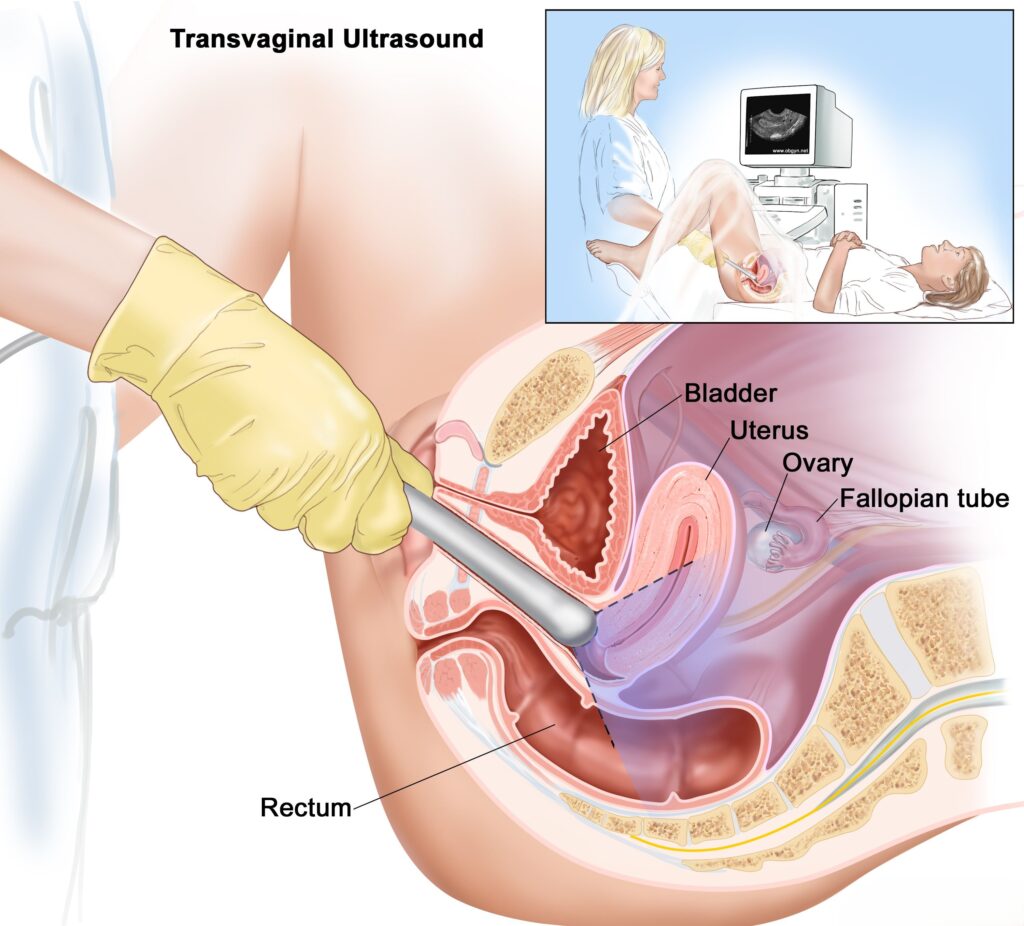
Ultrasound is a widely used medical imaging technique that employs high-frequency sound waves to produce images of structures within the body. Unlike X-rays or CT scans, ultrasound does not use ionizing radiation, making it a safer option for many patients, including pregnant women. It plays a crucial role in diagnosing and monitoring a variety of medical conditions, guiding procedures, and assessing organ function. Its real-time imaging capability allows clinicians to observe movement, blood flow, and tissue characteristics, which is invaluable in clinical practice.
Ultrasound imaging is based on the transmission and reflection of sound waves. When an ultrasound probe emits sound waves into the body, these waves travel through tissues and are reflected back at different rates depending on the density and composition of the tissues they encounter. The returning echoes are captured and converted into images.
The human body consists of various tissues—such as muscle, fat, bone, and fluid-filled organs—that interact differently with ultrasound waves. For example, fluid-filled structures like the bladder or amniotic sac appear dark (anechoic) on ultrasound, while denser tissues like bone reflect most sound waves and appear bright (hyperechoic). Understanding these interactions helps clinicians interpret ultrasound images accurately.
Ultrasound is both a diagnostic and monitoring tool. The diagnostic process typically involves:
Ultrasound itself is not a treatment but guides treatment decisions. It can also be used therapeutically in some cases, such as:
Treatment options for conditions diagnosed by ultrasound vary widely and may include:
For ultrasound-guided procedures, the typical steps include:
Post-procedure care depends on the specific intervention but generally includes:
Patients are advised to report any unusual symptoms such as fever, excessive pain, or swelling promptly.
Ultrasound is considered very safe, with minimal risks. However, potential complications related to ultrasound-guided procedures include:
Therapeutic ultrasound used in physical therapy is generally safe but should be applied by trained professionals to avoid burns or tissue damage.
The prognosis depends on the underlying condition diagnosed or treated with the help of ultrasound. Early and accurate diagnosis facilitated by ultrasound often leads to better outcomes. For example:
Ultrasound is a versatile, safe, and non-invasive imaging technique essential in modern medicine. It aids in diagnosing a wide range of conditions, guiding minimally invasive procedures, and monitoring treatment progress. Understanding its applications and limitations empowers patients to engage actively in their healthcare. If you experience symptoms warranting evaluation, consult a healthcare professional who can determine if ultrasound is appropriate for your situation. Early diagnosis and intervention can significantly improve health outcomes.
Aenean porta orci nam commodo felis hac ridiculus fusce fames maximus erat sed dictumst blandit arcu suspendisse sollicitudin luctus in nec