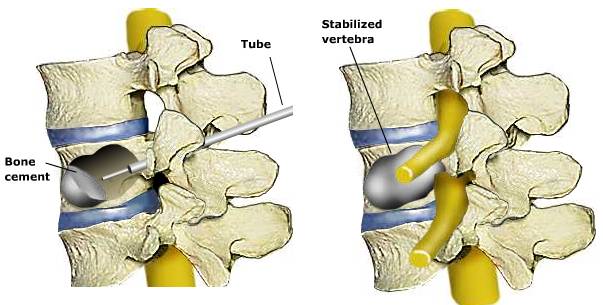
Vertebroplasty and kyphoplasty are minimally invasive surgical procedures designed to treat painful vertebral compression fractures, commonly caused by osteoporosis, trauma, or tumors. These procedures aim to stabilize fractured vertebrae, reduce pain, and restore spinal alignment, thereby improving patients’ quality of life. Given the aging population and the prevalence of osteoporosis, vertebroplasty and kyphoplasty have become important interventions in spine care, offering rapid pain relief and functional recovery.
The human spine consists of 33 vertebrae stacked to form the vertebral column, which protects the spinal cord and supports body weight. Each vertebra has a thick, cylindrical body anteriorly and a vertebral arch posteriorly. The vertebral bodies bear most of the axial load. In conditions like osteoporosis, the vertebral bodies become porous and fragile, increasing the risk of compression fractures. These fractures can cause vertebral collapse, spinal deformity (such as kyphosis), and chronic pain.
Patients with vertebral compression fractures typically present with:
When conservative measures fail or fractures cause significant pain and disability, vertebroplasty or kyphoplasty may be indicated.
Both procedures typically take about 30 to 60 minutes and are performed on an outpatient basis or with a short hospital stay.
Though generally safe, potential risks include:
Vertebroplasty and kyphoplasty provide significant pain relief in approximately 70-90% of patients. Kyphoplasty may offer additional benefits in restoring vertebral height and reducing spinal deformity. Early intervention can improve mobility, reduce opioid use, and enhance quality of life. However, underlying bone health must be addressed to prevent recurrence.
Vertebroplasty and kyphoplasty are effective minimally invasive procedures for managing painful vertebral compression fractures, especially in osteoporotic patients. Understanding the causes, symptoms, and treatment options empowers patients to seek timely care. If you experience symptoms suggestive of a vertebral fracture, consult a healthcare professional to explore appropriate diagnostic and therapeutic options. With proper management, many patients regain pain-free mobility and improved quality of life.
Aenean porta orci nam commodo felis hac ridiculus fusce fames maximus erat sed dictumst blandit arcu suspendisse sollicitudin luctus in nec