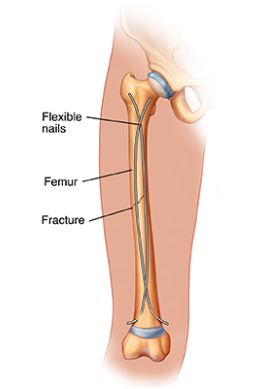
Open Reduction and Internal Fixation (ORIF) is a surgical procedure used to treat severe bone fractures that cannot be managed with simple immobilization techniques such as casting or splinting. It involves two main steps: open reduction, where the fractured bone is surgically realigned into its proper position, and internal fixation, where hardware such as plates, screws, or rods is used to hold the bone in place during healing. ORIF is a cornerstone of modern trauma and orthopedic surgery, helping patients regain mobility, function, and independence after complex fractures.
Bones provide structural support, enable movement, and protect vital organs. Each bone is surrounded by muscles, tendons, ligaments, and a blood supply that aids healing.
When a fracture occurs, the alignment and stability of the bone are critical to ensure proper healing.
Stable fractures may heal with a cast or brace.
Unstable fractures or those involving joints, multiple fragments, or displacement often require surgical intervention like ORIF.
The type and location of fracture—whether in long bones (femur, tibia, humerus), flat bones (pelvis), or small bones (wrist, ankle)—influence the treatment plan.
Fractures requiring ORIF typically result from:
High-impact trauma: Car accidents, sports injuries, or falls from height.
Osteoporosis: Weak, brittle bones more prone to fractures, even with minor falls.
Pathological fractures: Bone weakened by disease (e.g., cancer or infection).
Complex fractures: Comminuted fractures (bone broken into several pieces), intra-articular fractures (extending into a joint), or displaced fractures.
Patients with poor bone health, chronic medical conditions, or recurrent injuries are at higher risk.
Typical signs and symptoms of fractures that may require ORIF include:
Severe pain at the injury site.
Swelling, bruising, or visible deformity.
Inability to move or bear weight on the affected limb.
Shortening or abnormal angulation of the limb.
Open wounds or protruding bone fragments (in open fractures).
Numbness, tingling, or weakness if nerves are involved.
These symptoms usually indicate the need for urgent medical assessment.
Diagnosis of a fracture requiring ORIF involves:
Clinical examination
Inspection for deformity, swelling, wounds, and abnormal mobility.
Assessment of circulation and nerve function.
Imaging studies
X-rays: First-line tool to identify fracture type, location, and displacement.
CT scans: Provide detailed images of complex or joint-related fractures.
MRI scans: Useful for detecting soft tissue injury associated with fractures.
Laboratory tests
May be performed to assess overall health before surgery, especially in older adults or those with comorbidities.
Casting, bracing, or splinting for stable fractures.
Traction in certain fractures where gradual alignment is possible.
Pain control, rest, and physical therapy.
External fixation: Temporary stabilization using an external frame.
ORIF: Definitive treatment for unstable, displaced, or complex fractures.
ORIF is chosen when nonsurgical methods cannot ensure alignment, stability, or joint function
The ORIF procedure typically involves:
Anesthesia: General or regional anesthesia for pain-free surgery.
Incision and exposure: A cut is made over the fracture site to visualize the bone.
Open reduction: The surgeon carefully realigns the bone fragments.
Internal fixation: Metal implants such as screws, plates, nails, or rods are used to secure the bone.
Closure: The incision is sutured or stapled, and dressings are applied.
Immobilization: In some cases, a cast or brace may be used postoperatively for additional protection.
The choice of fixation device depends on the bone involved, fracture type, and patient’s overall health.
Recovery after ORIF includes:
Hospital stay: Typically a few days for pain management and monitoring.
Medications: Pain relief, antibiotics (to prevent infection), and anticoagulants (to prevent blood clots).
Physical therapy: Early mobilization exercises to restore movement, strength, and flexibility.
Lifestyle modifications: Adequate nutrition (especially calcium and vitamin D), quitting smoking, and avoiding high-impact activities until cleared.
Follow-up: Regular X-rays to ensure proper healing and hardware stability.
Most patients return to light activities within weeks, but full recovery may take several months depending on fracture severity.
As with any surgery, ORIF carries potential risks:
Infection at the surgical site.
Blood clots (deep vein thrombosis).
Damage to nearby blood vessels or nerves.
Nonunion (failure of bone to heal) or malunion (healing in the wrong position).
Hardware-related problems (loosening, breakage, or irritation).
Stiffness, chronic pain, or reduced mobility.
Prompt follow-up care and adherence to rehabilitation reduce these risks.
The prognosis after ORIF is generally favorable.
Most patients regain good bone alignment and function.
Outcomes depend on age, general health, type of fracture, and adherence to rehabilitation.
In younger and otherwise healthy patients, ORIF often allows near-complete restoration of function.
Older adults or those with osteoporosis may require longer recovery times and face a higher risk of complications.
Seek medical attention immediately if you experience:
Sudden, severe bone or joint pain after trauma.
Visible deformity or inability to bear weight.
Open wounds with bone exposure.
Persistent swelling, numbness, or loss of movement.
Signs of infection (fever, redness, pus) after surgery.
Prompt medical evaluation ensures timely treatment and prevents long-term disability.
Open Reduction and Internal Fixation (ORIF) is a vital surgical procedure that restores alignment, stability, and function in patients with complex or unstable fractures. By combining precise surgical techniques with strong fixation devices, ORIF enables faster healing and improved outcomes compared to non-surgical methods in many cases. While risks exist, advances in surgical care, rehabilitation, and follow-up have made ORIF highly successful.
If you suspect a fracture or experience persistent pain and deformity after an injury, consult an orthopedic specialist promptly. Early intervention can make a significant difference in recovery and long-term mobility.
Aenean porta orci nam commodo felis hac ridiculus fusce fames maximus erat sed dictumst blandit arcu suspendisse sollicitudin luctus in nec