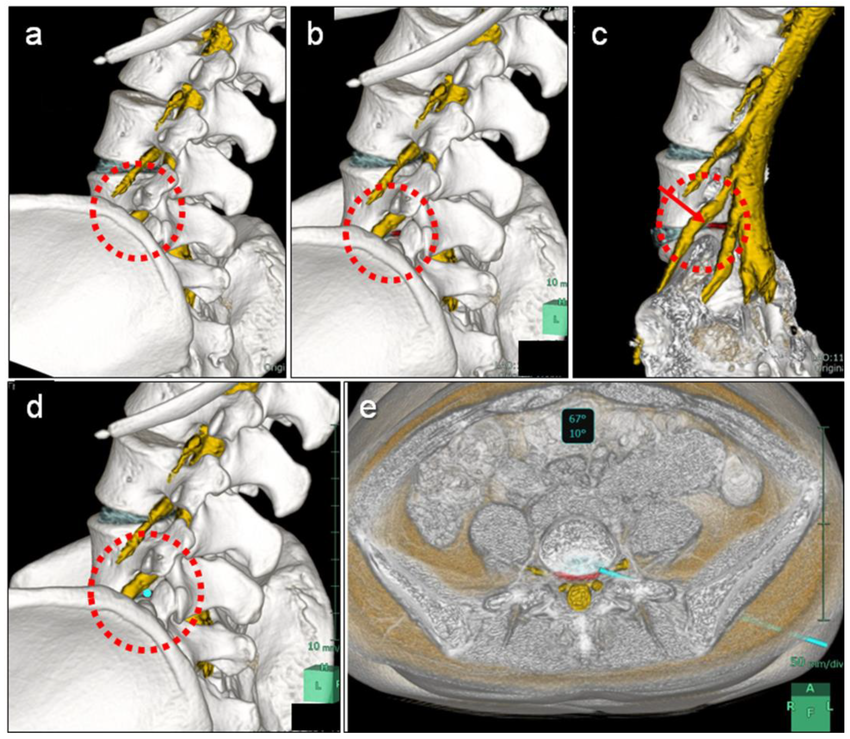
Lumbar discectomy is a surgical procedure aimed at relieving pressure on spinal nerves caused by a herniated disc in the lower back (lumbar spine). This condition can lead to significant pain, numbness, and weakness, affecting a person’s quality of life and mobility. Lumbar discectomy is important because it offers a targeted solution to alleviate nerve compression, reduce symptoms, and restore function when conservative treatments fail. Understanding this procedure helps patients make informed decisions about their care and recovery.
The lumbar spine consists of five vertebrae (L1 to L5) stacked one on top of another, separated by intervertebral discs. These discs act as cushions and shock absorbers, composed of a tough outer layer called the annulus fibrosus and a gel-like center called the nucleus pulposus. Nerves exit the spinal cord through openings between vertebrae (foramina) and travel to the lower body.
A lumbar disc herniation occurs when the nucleus pulposus protrudes through a tear in the annulus fibrosus, potentially compressing nearby spinal nerves. This compression can cause pain, tingling, numbness, or weakness in the lower back, buttocks, legs, or feet, a condition often referred to as sciatica.
Patients with lumbar disc herniation typically present with:
Electrodiagnostic Studies: Nerve conduction studies or electromyography (EMG) may be used to assess nerve function.
Most patients initially undergo conservative management, including:
Lumbar discectomy is considered when:
Lumbar discectomy involves removing the herniated portion of the disc to relieve nerve pressure. The procedure steps include:
Minimally invasive techniques may use smaller incisions and specialized instruments, reducing tissue damage and recovery time.
While lumbar discectomy is generally safe, potential risks include:
Most patients experience significant pain relief and improved function after lumbar discectomy. Recovery time varies but typically ranges from 4 to 6 weeks for return to normal activities, with full recovery potentially taking several months. Long-term outcomes are favorable, especially when surgery is performed timely and followed by appropriate rehabilitation.
Lumbar discectomy is a valuable surgical option for patients suffering from nerve compression due to herniated lumbar discs. Understanding the anatomy, causes, symptoms, and treatment options empowers patients to make informed decisions. While many cases improve with non-surgical care, timely surgical intervention can provide significant relief and restore quality of life. If you experience persistent or severe symptoms, consult a healthcare professional for proper diagnosis and personalized treatment planning.
Aenean porta orci nam commodo felis hac ridiculus fusce fames maximus erat sed dictumst blandit arcu suspendisse sollicitudin luctus in nec