Genu varum and genu valgum are common angular deformities of the knee that affect the alignment of the lower limbs. Genu varum, commonly known as bow-leggedness, is characterized by an outward bowing of the legs, resulting in a gap between the knees when the ankles are together. Conversely, genu valgum, or knock-knees, is characterized by an inward angulation of the knees, causing the knees to touch while the ankles remain apart. These deformities can be physiological in children but may persist or develop pathologically due to various causes such as metabolic bone diseases, trauma, or growth plate disturbances.
While mild cases may be managed conservatively, significant deformities often require surgical intervention to restore proper limb alignment, improve function, and prevent long-term complications such as osteoarthritis. This article provides an overview of the surgical correction of genu varum and genu valgum, including indications, preoperative planning, surgical techniques, and postoperative care.
Understanding the underlying cause of genu varum or valgum is crucial for appropriate management. Common causes include:
The deformity results from asymmetric growth or mechanical loading across the knee joint, leading to altered biomechanics and uneven stress distribution.
Surgical correction is generally indicated in the following scenarios:
The decision to operate depends on the severity of the deformity, patient age, skeletal maturity, and underlying pathology.
Epiphysiodesis is indicated in various clinical scenarios, including:
The decision to perform epiphysiodesis depends on the child’s age, remaining growth potential, and the degree of discrepancy or deformity.
A thorough clinical and radiological evaluation is essential. This includes:
The goal is to restore the mechanical axis to pass through the center of the knee joint, thereby normalizing load distribution.
Several surgical options exist depending on the deformity location, severity, and patient factors:
Osteotomy is the most common surgical method for correcting genu varum or valgum. It involves cutting and realigning the bone to correct the angular deformity.
Osteotomies can be fixed with plates, screws, or external fixators depending on the technique.
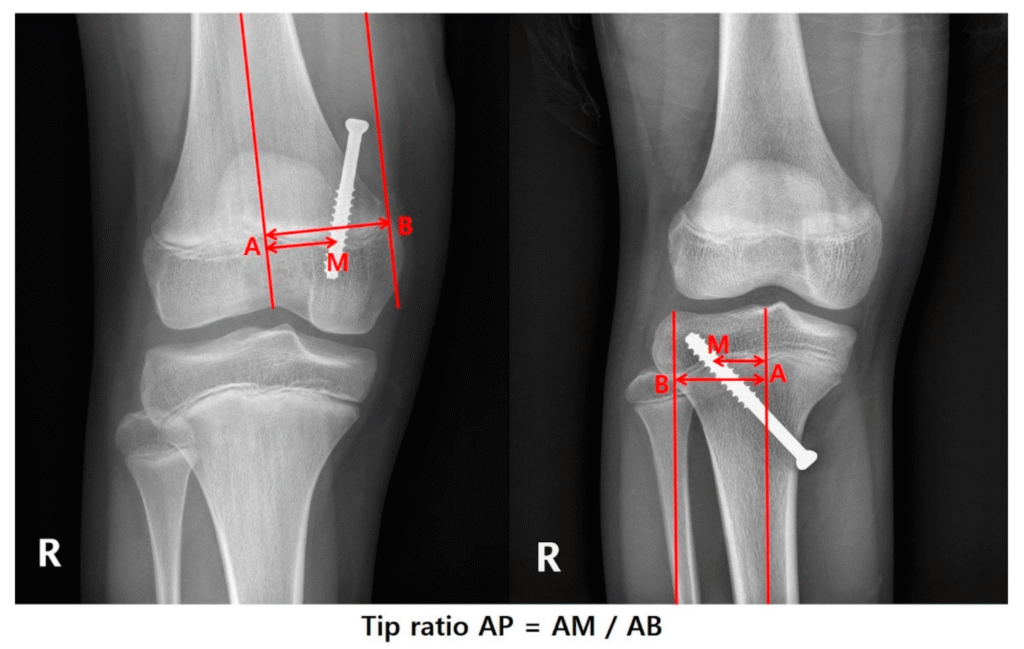
In skeletally immature patients, guided growth techniques such as hemiepiphysiodesis can be used to gradually correct deformities by modulating growth on one side of the growth plate.
For complex or multiplanar deformities, circular external fixators (e.g., Ilizarov or Taylor Spatial Frame) allow gradual correction through controlled adjustments.
In adults with severe deformity and joint degeneration, TKA may be indicated to correct alignment and relieve pain.
A typical osteotomy procedure involves:
In guided growth, a small incision is made to place the tension band plate across the growth plate.
Postoperative management includes:
Complications such as infection, nonunion, nerve injury, or over/under-correction should be monitored.
Surgical correction of genu varum and valgum generally yields good functional and cosmetic results when appropriately indicated and performed. Early intervention in children can prevent progression and joint damage. In adults, osteotomy can delay or prevent the need for joint replacement.
Long-term follow-up studies show improved pain, gait, and joint preservation. However, patient selection and surgical expertise are critical for optimal outcomes.
Genu varum and genu valgum are deformities that can significantly impact function and quality of life. Surgical correction, tailored to the individual patient’s age, deformity characteristics, and underlying cause, is an effective treatment modality. Advances in imaging, surgical techniques, and fixation methods have improved the safety and efficacy of these procedures. Multidisciplinary care involving orthopedic surgeons, radiologists, and physical therapists is essential for successful correction and rehabilitation.
Aenean porta orci nam commodo felis hac ridiculus fusce fames maximus erat sed dictumst blandit arcu suspendisse sollicitudin luctus in nec