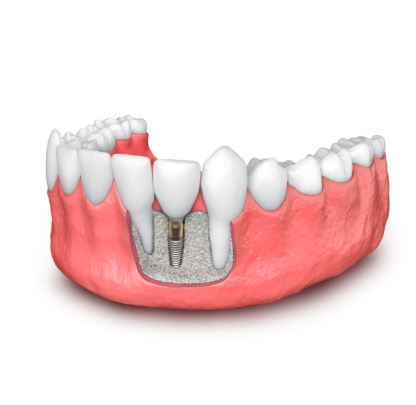
Bone Grafting is a surgical procedure in which bone tissue is transplanted to repair or regenerate bone that has been lost, weakened, or damaged. It is commonly used in orthopedic surgery, trauma care, dental surgery, and reconstructive procedures. Bone grafts help restore strength, support bone healing, and improve structural stability.
This procedure is vital in cases where the body cannot heal on its own—for example, in large bone defects, fractures that fail to unite, or after tumor removal. By providing a scaffold for new bone growth, bone grafting promotes faster and more effective healing.
Bones are living tissues with the ability to remodel and heal. Healing occurs through a process called osteogenesis, where new bone cells are formed. For successful healing, three elements are critical:
Osteoconduction: The graft provides a scaffold for new bone to grow.
Osteoinduction: Growth factors stimulate bone-forming cells to multiply.
Osteogenesis: Live bone-forming cells contribute directly to new bone formation.
Bone grafts may be:
Autografts: Bone taken from the patient’s own body (e.g., hip, leg).
Allografts: Bone from a donor (cadaver bone, processed and sterilized).
Synthetic grafts: Man-made materials such as ceramics, calcium phosphates, or bioactive glass.
Each type has specific advantages and is selected based on the patient’s condition and surgical goals.
Bone grafting is recommended when natural bone healing is insufficient. Common causes include:
Severe fractures: Especially when bone loss or fragmentation occurs.
Nonunion fractures: When a fracture fails to heal despite treatment.
Bone defects: Congenital deformities or bone loss after tumor removal.
Spinal fusion: To stabilize the spine in conditions like scoliosis or degenerative disc disease.
Dental and maxillofacial surgery: To replace jawbone loss before implants or after trauma.
Infections (osteomyelitis): When infection causes bone destruction.
Osteoporosis and metabolic bone disease: Weak bones requiring reinforcement.
The need for bone grafting usually arises in patients with:
Persistent pain at the fracture or bone defect site.
Abnormal mobility or instability in a limb or joint.
Visible bone loss or deformity.
Delayed healing or failure of a fracture to unite.
Difficulty in bearing weight or performing normal activities.
In dental cases: loose teeth, jawbone thinning, or inability to support implants.
Diagnosis and surgical planning for bone grafting include:
Clinical Examination
Evaluation of pain, mobility, stability, and deformity.
Assessment of soft tissue, circulation, and nerve function.
Imaging
X-rays: Initial evaluation of bone defects or fractures.
CT scans: Detailed 3D view of bone structure and volume loss.
MRI scans: Useful in assessing soft tissue and marrow conditions.
Laboratory Tests
To rule out infection, check calcium/vitamin D levels, and assess overall health before surgery.
Immobilization (casts, splints, braces) for minor fractures.
Bone stimulation therapies (ultrasound or electrical stimulation) in select nonunions.
Medications and nutritional supplements (calcium, vitamin D, bisphosphonates).
Bone grafting is chosen when conservative treatment fails or in cases of large bone loss.
Types of surgical grafts:
Autograft: Gold standard due to living bone cells and low rejection risk.
Allograft: Commonly used in large defects, avoids donor site surgery.
Synthetic grafts: Increasingly popular, with low infection risk and good availability.
Bone graft substitutes with growth factors: Enhance healing by stimulating cell growth.
The steps in a bone grafting procedure generally include:
Anesthesia: General or regional anesthesia depending on the site.
Harvesting (for autograft): Bone is taken from the pelvis, tibia, or ribs.
Preparation: The damaged site is exposed, cleaned, and prepared for grafting.
Graft placement: The bone graft (autograft, allograft, or synthetic) is placed in the defect or fracture gap.
Stabilization: Plates, screws, rods, or external fixators may be used to secure the graft.
Closure: The wound is sutured, and dressings are applied.
The duration varies based on the complexity and site of the graft.
Recovery after bone grafting involves careful monitoring and rehabilitation:
Hospital stay: Usually 1–3 days for simple grafts, longer for complex cases.
Pain management: Medications are prescribed for discomfort.
Wound care: Regular cleaning and monitoring for infection.
Weight-bearing restrictions: Limited use of the operated limb until healing progresses.
Physical therapy: Helps restore strength, mobility, and function.
Nutritional support: Adequate protein, calcium, and vitamin D intake to promote healing.
Follow-up: Periodic X-rays or CT scans to assess graft incorporation.
Healing can take weeks to months, depending on the graft type and site.
As with any surgery, bone grafting carries risks, including:
Infection at the graft or donor site.
Graft rejection or resorption (failure of graft to integrate).
Bleeding or hematoma.
Nerve or vessel injury.
Chronic pain at the donor site (in autografts).
Nonunion or delayed healing.
Hardware-related problems if fixation devices are used.
Prompt medical care and proper rehabilitation reduce these risks significantly.
The prognosis after bone grafting is generally favorable:
Most patients achieve good bone healing and restoration of function.
Autografts have the highest success rate due to living bone cells.
Advances in synthetic materials and growth factors have improved outcomes.
Healing time varies but usually ranges from 3–9 months, depending on bone size and patient health.
Patients with healthy lifestyle habits (non-smokers, good nutrition, controlled medical conditions) experience better results.
You should seek medical attention if you experience:
Persistent bone or joint pain after an injury.
Delayed or poor healing after a fracture.
Visible deformity, instability, or bone loss.
Signs of infection after surgery (fever, redness, swelling, discharge).
Difficulty in normal activities due to bone weakness.
In dental cases, loosening of teeth or inability to support implants.
Early evaluation by an orthopedic or dental specialist ensures timely treatment and prevents complications.
Bone grafting is a vital surgical technique that restores bone strength, structure, and function in patients with fractures, defects, or bone loss. Whether using autografts, allografts, or synthetic substitutes, the procedure provides a foundation for new bone growth and healing. With proper postoperative care and rehabilitation, most patients experience excellent recovery and return to normal activities.
If you have sustained a complex fracture, suffer from poor bone healing, or are preparing for reconstructive or dental surgery, consult a qualified specialist. Early intervention and tailored treatment can make a significant difference in long-term outcomes.
Aenean porta orci nam commodo felis hac ridiculus fusce fames maximus erat sed dictumst blandit arcu suspendisse sollicitudin luctus in nec