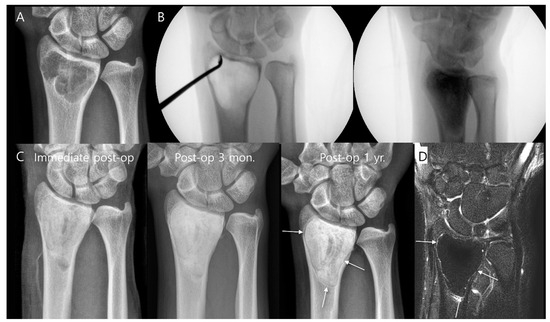
Tumors arising in bone or soft tissue can be benign or malignant and present unique challenges in diagnosis and management. Surgical excision remains a cornerstone in the treatment of many such tumors, aiming to remove the lesion completely while preserving as much function as possible. The approach to tumor excision depends on the tumor type, location, size, involvement of surrounding structures, and the patient’s overall health.
This article provides an overview of tumor excision from bone and soft tissue, including indications, preoperative evaluation, surgical techniques, and postoperative care.
The biological behavior of the tumor dictates the urgency and extent of surgical excision.
The goal of surgery is complete tumor removal with negative margins while preserving function.
Reconstruction may be necessary after excision, using bone grafts, endoprostheses, or allografts.
Preservation of neurovascular structures is critical; sometimes sacrifice is necessary for oncological clearance.
Tumor excision from bone or soft tissue is a complex surgical endeavor requiring careful planning and execution. Advances in imaging, surgical techniques, and multidisciplinary care have significantly improved outcomes. The primary objective remains complete tumor removal with preservation of function, minimizing morbidity, and preventing recurrence. Ongoing research and innovation continue to enhance the management of these challenging conditions.
Aenean porta orci nam commodo felis hac ridiculus fusce fames maximus erat sed dictumst blandit arcu suspendisse sollicitudin luctus in nec