Kamala Devi Hospital

CCBC ( Complete Blood Count )

Complete Blood Count (CBC): A Comprehensive Overview

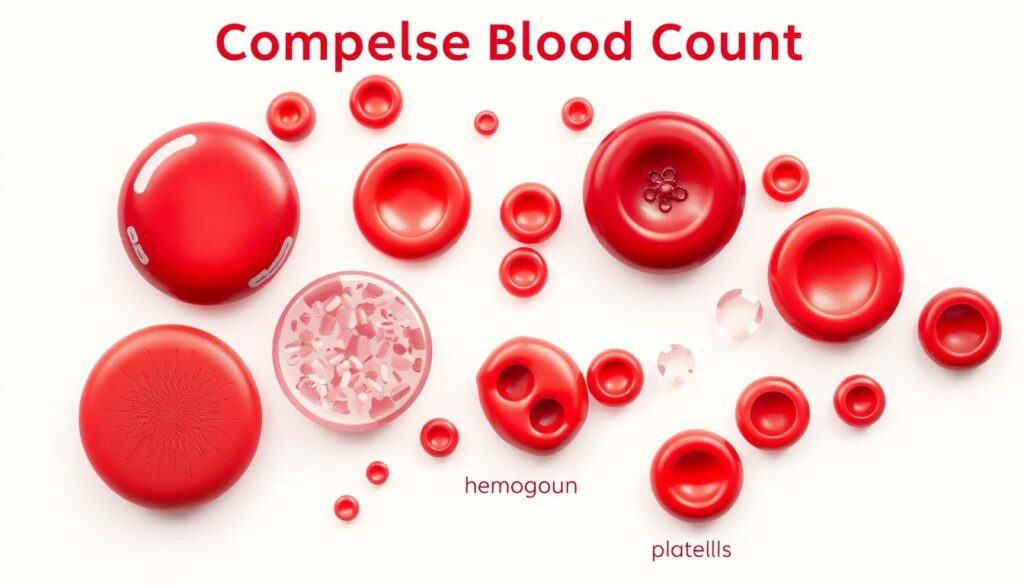
A Complete Blood Count (CBC) is one of the most commonly ordered blood tests in medical practice. It provides essential information about the cells in a person’s blood, including red blood cells, white blood cells, and platelets. This test is crucial because it helps healthcare providers assess overall health, detect a wide range of disorders such as anemia, infection, and many other diseases, and monitor medical conditions or treatments. Understanding CBC results can guide diagnosis, treatment decisions, and ongoing patient management.

Anatomy / Background

Blood is a vital fluid composed of several components, each with specific functions:

  • Red Blood Cells (RBCs): These cells carry oxygen from the lungs to tissues and return carbon dioxide for exhalation. RBCs contain hemoglobin, a protein responsible for oxygen transport.
  • White Blood Cells (WBCs): These cells are part of the immune system and help fight infections and other diseases. There are several types of WBCs, including neutrophils, lymphocytes, monocytes, eosinophils, and basophils.
  • Platelets: These small cell fragments are essential for blood clotting and wound healing.

The CBC test measures the quantity and quality of these components, providing insight into the body’s hematologic and immune status.

Causes / Etiology

Symptoms / Clinical Presentation

Often, a CBC is ordered as part of a routine health check-up even in the absence of symptoms.

Diagnosis

The CBC test is performed by drawing a small blood sample, usually from a vein in the arm. The sample is analyzed using automated machines that count and characterize blood cells. Key parameters measured include:

  • Hemoglobin (Hb): Oxygen-carrying protein in RBCs.
  • Hematocrit (Hct): Percentage of blood volume occupied by RBCs.
  • Red Blood Cell Count (RBC): Number of RBCs per volume of blood.
  • White Blood Cell Count (WBC): Number of WBCs per volume of blood.
  • Platelet Count: Number of platelets per volume of blood.
  • Mean Corpuscular Volume (MCV): Average size of RBCs.
  • Differential WBC Count: Percentage of different types of WBCs.

Abnormal results may prompt further investigations such as blood smears, bone marrow biopsy, or additional blood tests.

Treatment Options

Treatment depends on the underlying cause identified through CBC and further diagnostic workup:

  • Non-Surgical Treatments:

    • Nutritional supplementation (iron, vitamin B12, folate) for deficiencies.
    • Antibiotics or antivirals for infections.
    • Medications to stimulate bone marrow production (e.g., erythropoietin).
    • Immunosuppressive therapy for autoimmune causes.
    • Chemotherapy or targeted therapy for hematologic malignancies.
  • Surgical Treatments:

    • Rarely, surgery may be required to address underlying causes such as splenectomy for certain blood disorders.
    • Bone marrow transplantation may be considered in severe marrow failure or malignancies.

Procedure Details (If Surgical or Procedural)

For bone marrow biopsy, a common procedure related to abnormal CBC findings:

  1. The patient is positioned comfortably, usually lying on their side or stomach.
  2. Local anesthesia is administered to numb the biopsy site, typically the posterior iliac crest (pelvic bone).
  3. A special needle is inserted into the bone to extract a small sample of marrow.
  4. The sample is sent to the laboratory for microscopic examination.
  5. The procedure takes about 15-30 minutes and may cause mild discomfort.

Postoperative Care / Rehabilitation

  • After a bone marrow biopsy, patients are advised to keep the site clean and dry.
  • Mild pain or bruising is common and can be managed with over-the-counter pain relievers.
  • Patients should report any signs of infection such as redness, swelling, or fever.
  • Follow-up appointments are necessary to discuss biopsy results and plan further treatment.

Risks and Complications

CBC itself is a simple blood test with minimal risk, primarily limited to:

  • Minor pain or bruising at the blood draw site.
  • Rarely, infection or excessive bleeding.

Procedures like bone marrow biopsy carry additional risks:

    • Pain or discomfort.
    • Bleeding or hematoma formation.
    • Infection at the biopsy site.
    • Rare injury to surrounding tissues.

Prognosis

The prognosis depends entirely on the underlying condition detected by the CBC:

    • Many causes of abnormal CBC, such as nutritional anemia or infections, are treatable with excellent outcomes.
    • Chronic or malignant conditions require specialized management and may have variable prognoses.
    • Early detection through CBC can significantly improve treatment success and patient outcomes.

When to See a Doctor

conclusion

The Complete Blood Count (CBC) is a fundamental diagnostic tool that provides valuable insights into a person’s health by evaluating blood cells. It aids in diagnosing a wide range of conditions, monitoring treatment, and guiding clinical decisions. Understanding the components and significance of CBC results empowers patients and healthcare providers to work together for optimal health outcomes. If you experience symptoms or have concerns about your blood health, consult a healthcare professional for appropriate testing and care.

Welcome to KamalaDevi Hospital

Aenean porta orci nam commodo felis hac ridiculus fusce fames maximus erat sed dictumst blandit arcu suspendisse sollicitudin luctus in nec

Make an Appointment.