Kamala Devi Hospital

Arthrogram: A Comprehensive Guide

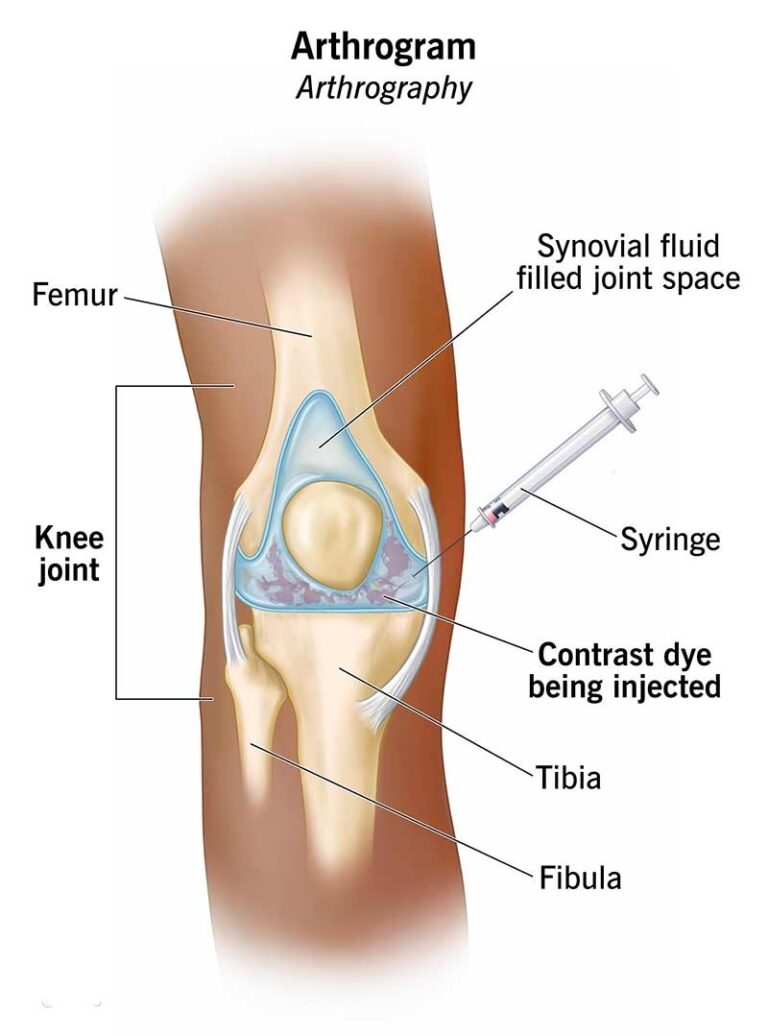
An arthrogram is a specialized medical imaging procedure used to evaluate the condition of joints. It involves the injection of a contrast dye into the joint space, followed by imaging techniques such as X-ray, computed tomography (CT), or magnetic resonance imaging (MRI). This procedure enhances the visualization of joint structures, including cartilage, ligaments, tendons, and the joint capsule, allowing for a more accurate diagnosis of joint abnormalities.

Arthrograms are important because they provide detailed information that cannot always be obtained through standard imaging alone. They are particularly useful in diagnosing joint injuries, degenerative diseases, and unexplained joint pain, guiding appropriate treatment plans and improving patient outcomes.

Anatomy / Background

Signup our newsletter to get update information, news, insight or promotions.

To understand an arthrogram, it is helpful to have a basic knowledge of joint anatomy. Joints are the connections between bones that allow movement and provide mechanical support. Key components of a joint include:

  • Articular cartilage: Smooth tissue covering the ends of bones, facilitating smooth movement.
  • Synovial membrane: Produces synovial fluid that lubricates the joint.
  • Joint capsule: A fibrous envelope surrounding the joint, providing stability.
  • Ligaments and tendons: Connect bones to bones and muscles to bones, respectively, supporting joint function.

Common joints examined with arthrograms include the shoulder, knee, hip, wrist, and ankle. Damage or disease affecting any of these structures can impair joint function and cause pain.

Causes / Etiology

Symptoms / Clinical Presentation

Diagnosis

The diagnostic process typically begins with a thorough clinical examination, including:

  • Medical history review.
  • Physical examination focusing on joint inspection, palpation, and movement assessment.
  • Initial imaging such as X-rays or ultrasound.

If these are inconclusive or if detailed visualization is needed, an arthrogram may be recommended. The procedure involves:

  1. Injection of a contrast agent into the joint space under sterile conditions.
  2. Imaging using X-ray, CT, or MRI to capture detailed views of the joint structures enhanced by the contrast.

MRI arthrography is particularly valuable for soft tissue evaluation, while CT arthrography provides excellent bone detail.

Treatment Options

Non-Surgical Treatments

  • Physical therapy: To improve joint function and strength.
  • Medications: Such as anti-inflammatory drugs or pain relievers.
  • Injections: Corticosteroids or hyaluronic acid to reduce inflammation and improve lubrication.
  • Activity modification: Avoiding aggravating movements.

Surgical Treatments

  • Arthroscopic surgery: Minimally invasive procedure to repair or remove damaged tissue.
  • Joint reconstruction or replacement: In cases of severe joint damage.
  • Ligament repair or reconstruction: For instability caused by ligament tears.

The choice depends on the severity and type of joint pathology identified.

Procedure Details

An arthrogram procedure generally follows these steps:

  1. Preparation: The patient is positioned comfortably, and the skin over the joint is cleaned and sterilized.
  2. Local anesthesia: Administered to numb the injection site.
  3. Contrast injection: Using a fine needle, the radiologist injects a contrast dye into the joint space under imaging guidance.
  4. Imaging: Immediately after injection, images are taken using X-ray, CT, or MRI to visualize the joint.
  5. Post-procedure monitoring: The patient is observed briefly for any adverse reactions.

The entire procedure usually takes 30 to 60 minutes and is performed on an outpatient basis.

Postoperative Care / Rehabilitation

After an arthrogram:

  • Patients may experience mild discomfort or swelling at the injection site, which typically resolves within a day or two.
  • Applying ice and taking over-the-counter pain medication can help manage symptoms.
  • Normal activities can usually be resumed shortly after the procedure unless otherwise advised.
  • Follow-up appointments may be scheduled to discuss imaging results and plan further treatment.
  • If surgery is indicated, rehabilitation will focus on restoring joint mobility, strength, and function through physical therapy.

Risks and Complications

While arthrograms are generally safe, potential risks include:

  • Infection at the injection site.
  • Allergic reaction to the contrast dye.
  • Bleeding or bruising.
  • Joint pain or swelling.
  • Rarely, damage to surrounding tissues.

Patients should inform their healthcare provider of any allergies or medical conditions prior to the procedure.

Prognosis

The prognosis depends on the underlying joint condition diagnosed through the arthrogram. Early and accurate diagnosis allows for targeted treatment, which can improve symptoms and joint function. Many patients experience significant relief and return to normal activities following appropriate management.

When to See a Doctor

conclusion

An arthrogram is a valuable diagnostic tool that enhances the visualization of joint structures, aiding in the accurate diagnosis of various joint disorders. Understanding the procedure, its indications, and potential risks helps patients make informed decisions about their care. If you experience unexplained joint symptoms or have been advised to undergo an arthrogram, consult with your healthcare provider to discuss the benefits and what to expect. Timely diagnosis and treatment are key to maintaining joint health and quality of life.

Welcome to KamalaDevi Hospital

Aenean porta orci nam commodo felis hac ridiculus fusce fames maximus erat sed dictumst blandit arcu suspendisse sollicitudin luctus in nec

Make an Appointment.