Erythrocyte Sedimentation Rate (ESR) is a common blood test used to detect inflammation in the body. It measures the rate at which red blood cells (erythrocytes) settle at the bottom of a test tube over a specified period, usually one hour. Although ESR is a nonspecific test, it is valuable in diagnosing and monitoring various medical conditions, including infections, autoimmune diseases, and cancers. Understanding ESR is important because it provides clinicians with a simple, cost-effective tool to assess the presence and intensity of inflammatory processes, guiding further diagnostic and therapeutic decisions.
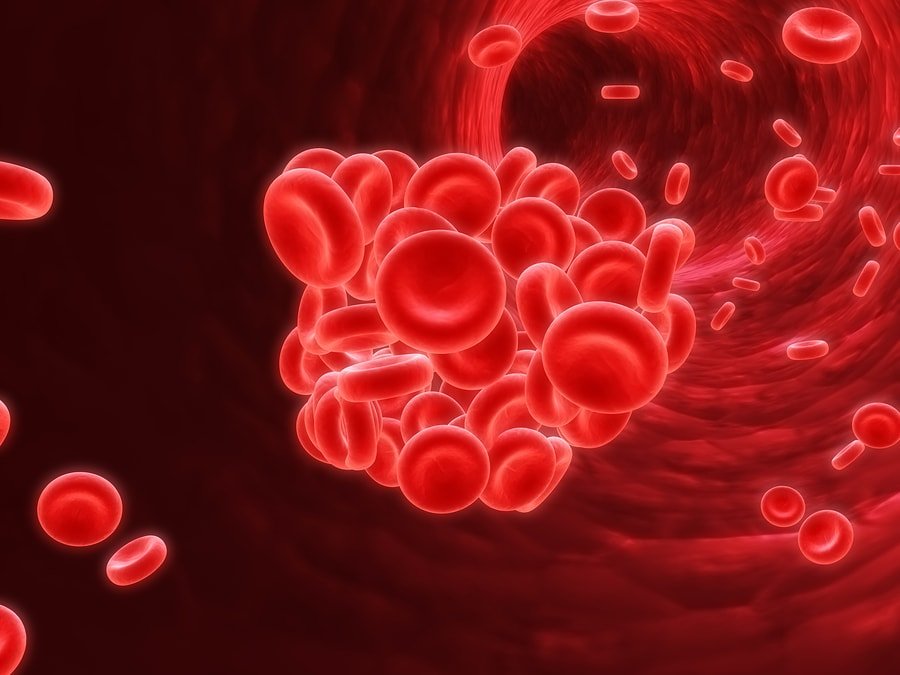
To appreciate the significance of ESR, it is essential to understand the basic physiology of red blood cells and plasma proteins. Red blood cells are normally negatively charged, which causes them to repel each other and remain suspended evenly in plasma. However, during inflammation, certain plasma proteins, especially fibrinogen and immunoglobulins, increase in concentration. These proteins reduce the negative charge on erythrocytes, causing them to clump together (rouleaux formation). The aggregated red blood cells settle faster under gravity, which is measured as the ESR.
The ESR test does not measure a specific disease but reflects the presence of an inflammatory state. It is influenced by factors such as age, sex, anemia, and pregnancy, which must be considered when interpreting results.
Since ESR is a laboratory marker rather than a disease itself, it does not cause symptoms. Instead, symptoms depend on the underlying condition causing the inflammation. Common clinical presentations associated with elevated ESR include:
The ESR test is often ordered when patients present with nonspecific symptoms suggestive of an inflammatory or infectious process.
The ESR test is performed by drawing a blood sample into a vertical tube and measuring the distance red blood cells fall in one hour, expressed in millimeters per hour (mm/hr). Two common methods are:
Normal ESR values vary by age and sex but generally range from 0-20 mm/hr in men and 0-30 mm/hr in women. Elevated ESR alone is not diagnostic; it must be interpreted alongside clinical findings and other laboratory tests such as C-reactive protein (CRP), complete blood count (CBC), and specific disease markers.
Since ESR is a diagnostic marker rather than a disease, treatment focuses on the underlying cause of inflammation:
There are no surgical treatments related directly to ESR.
The ESR test procedure is simple and minimally invasive:
The test typically takes about 60 minutes to complete, with minimal discomfort during blood draw.
The ESR test is very safe with minimal risks, including:
No direct complications arise from the test itself.
ESR is a useful marker for monitoring disease activity and response to treatment. A decreasing ESR often indicates improvement, while persistently high or rising ESR may suggest ongoing inflammation or disease progression. However, ESR alone cannot predict prognosis and must be used in conjunction with clinical evaluation.
The Erythrocyte Sedimentation Rate (ESR) is a valuable, simple blood test that helps detect inflammation in the body. While nonspecific, it provides important clues in diagnosing and monitoring a wide range of conditions, from infections to autoimmune diseases and cancers. Understanding ESR, its causes, and interpretation can empower patients and clinicians to make informed decisions. If you experience symptoms suggestive of inflammation or infection, consult a healthcare professional who may recommend ESR testing as part of your evaluation. Early diagnosis and treatment are key to better health outcomes.
Aenean porta orci nam commodo felis hac ridiculus fusce fames maximus erat sed dictumst blandit arcu suspendisse sollicitudin luctus in nec