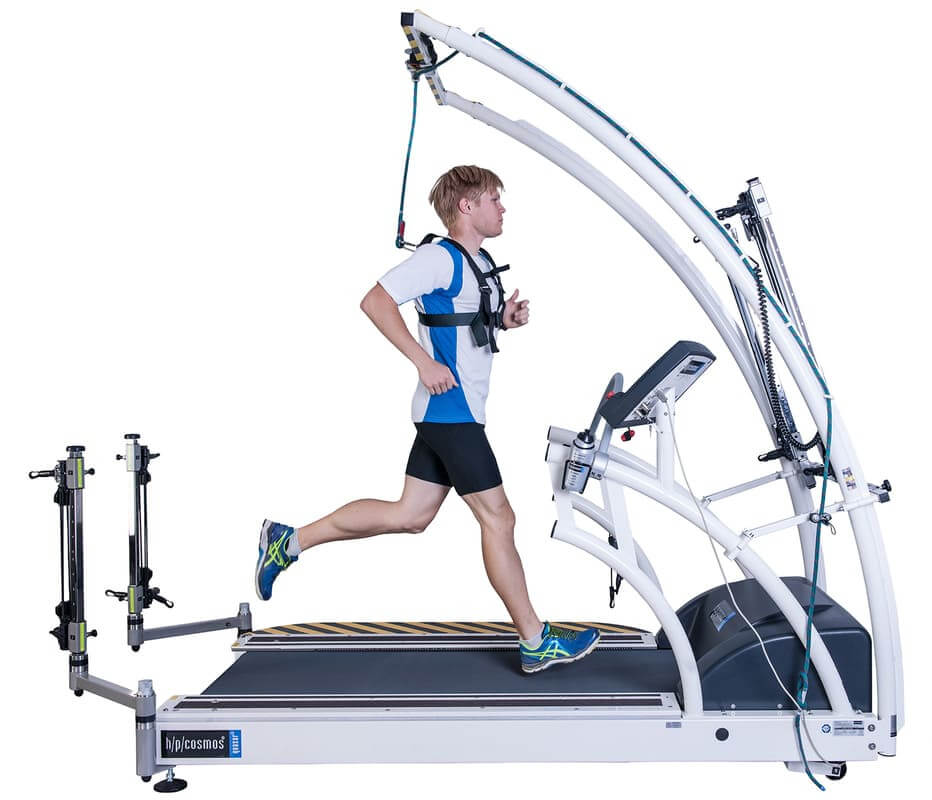
Gait analysis is the systematic study of human walking patterns. It involves assessing the way a person moves to identify abnormalities, inefficiencies, or underlying medical conditions. This field is crucial in medicine, rehabilitation, sports science, and biomechanics because walking is a fundamental activity of daily life. Abnormal gait can indicate neurological, musculoskeletal, or developmental issues, and understanding these patterns helps clinicians design effective treatment plans to improve mobility, reduce pain, and enhance quality of life.
To appreciate gait analysis, it is essential to understand the anatomy and physiology involved in walking. Gait is a complex, coordinated activity involving the nervous system, muscles, bones, and joints.
Normal gait is symmetrical and efficient, allowing smooth, energy-conserving movement.
Abnormal gait can result from a variety of causes, including:
Patients with gait abnormalities may present with:
Diagnosing gait abnormalities involves a combination of clinical evaluation and technological assessment:
Treatment depends on the underlying cause and severity of gait abnormalities.
Surgery may be necessary for structural problems or severe neurological impairments:
For example, in a total knee replacement:
Each surgical procedure varies but generally aims to restore alignment, reduce pain, and improve function.
Recovery involves:
Potential risks include:
With appropriate treatment, many patients experience significant improvement in walking ability and quality of life. Early intervention and adherence to rehabilitation protocols enhance outcomes. Chronic or severe conditions may require ongoing management.
Seek medical attention if you experience:
Early evaluation can prevent complications and improve treatment success.
Gait analysis is a vital tool in diagnosing and managing walking abnormalities. Understanding the anatomy, causes, and treatment options empowers patients and clinicians to address mobility challenges effectively. If you or a loved one experiences gait difficulties, consulting a healthcare professional is essential for accurate diagnosis and personalized care. Through comprehensive assessment and targeted interventions, improved mobility and enhanced quality of life are achievable goals.
Aenean porta orci nam commodo felis hac ridiculus fusce fames maximus erat sed dictumst blandit arcu suspendisse sollicitudin luctus in nec