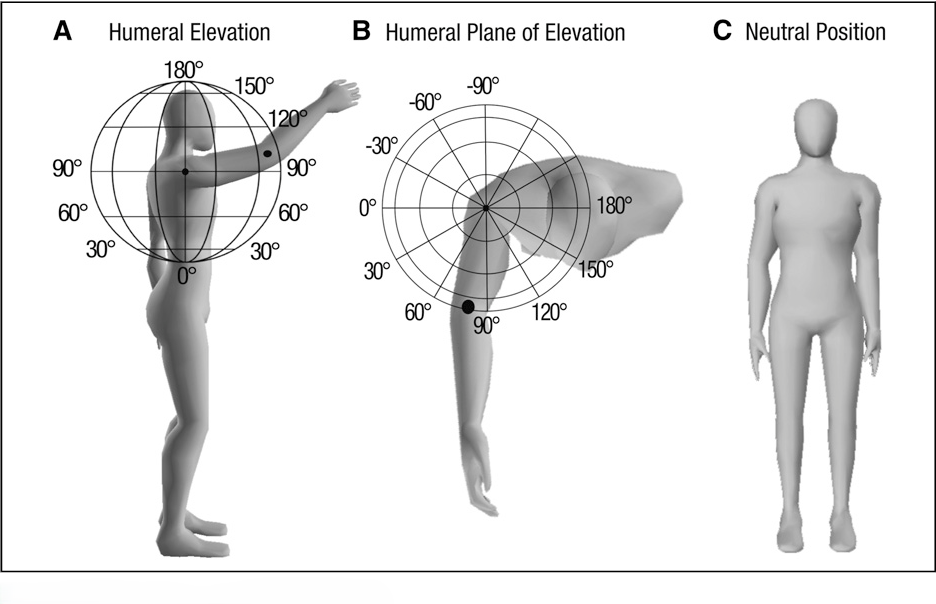
The Range of Motion (ROM) test is a fundamental clinical assessment used to evaluate the movement capacity of a joint or series of joints. It measures the degree to which a joint can move in various directions, such as flexion, extension, abduction, and rotation. ROM testing is crucial in diagnosing musculoskeletal conditions, monitoring rehabilitation progress, and guiding treatment plans. Whether you are recovering from an injury, managing a chronic condition like arthritis, or simply maintaining joint health, understanding ROM tests can empower you to take an active role in your care.
Joints are the connections between bones that allow movement and provide mechanical support. The range of motion of a joint depends on its anatomical structure, including the shape of the articulating bones, the integrity of ligaments, tendons, muscles, and the joint capsule. For example:
Muscles contract to move bones at joints, while ligaments and joint capsules provide stability. Any disruption in these structures can limit the joint’s range of motion.
Reduced or abnormal range of motion can result from various causes, including:
Patients with limited or abnormal ROM may experience:
Diagnosing ROM limitations involves a combination of clinical examination and diagnostic tests:
Treatment depends on the underlying cause and severity of ROM limitation.
Surgery may be necessary when conservative measures fail or in cases of severe joint damage:
For example, in an arthroscopic joint release:
The procedure typically lasts 30 minutes to 2 hours depending on complexity.
Potential risks of ROM testing and related treatments include:
With appropriate diagnosis and treatment, many patients experience significant improvement in joint mobility and function. Early intervention and adherence to rehabilitation protocols enhance outcomes. Chronic or severe joint conditions may require ongoing management but can often be controlled to maintain quality of life.
Seek medical attention if you experience:
The Range of Motion (ROM) test is a vital tool in assessing joint health and guiding treatment for various musculoskeletal conditions. Understanding the anatomy, causes of limited ROM, and available treatment options can help patients and caregivers make informed decisions. If you notice joint stiffness, pain, or functional limitations, consult a healthcare professional promptly to receive a thorough evaluation and personalized care plan. Early diagnosis and intervention are key to preserving joint function and enhancing quality of life.
Aenean porta orci nam commodo felis hac ridiculus fusce fames maximus erat sed dictumst blandit arcu suspendisse sollicitudin luctus in nec