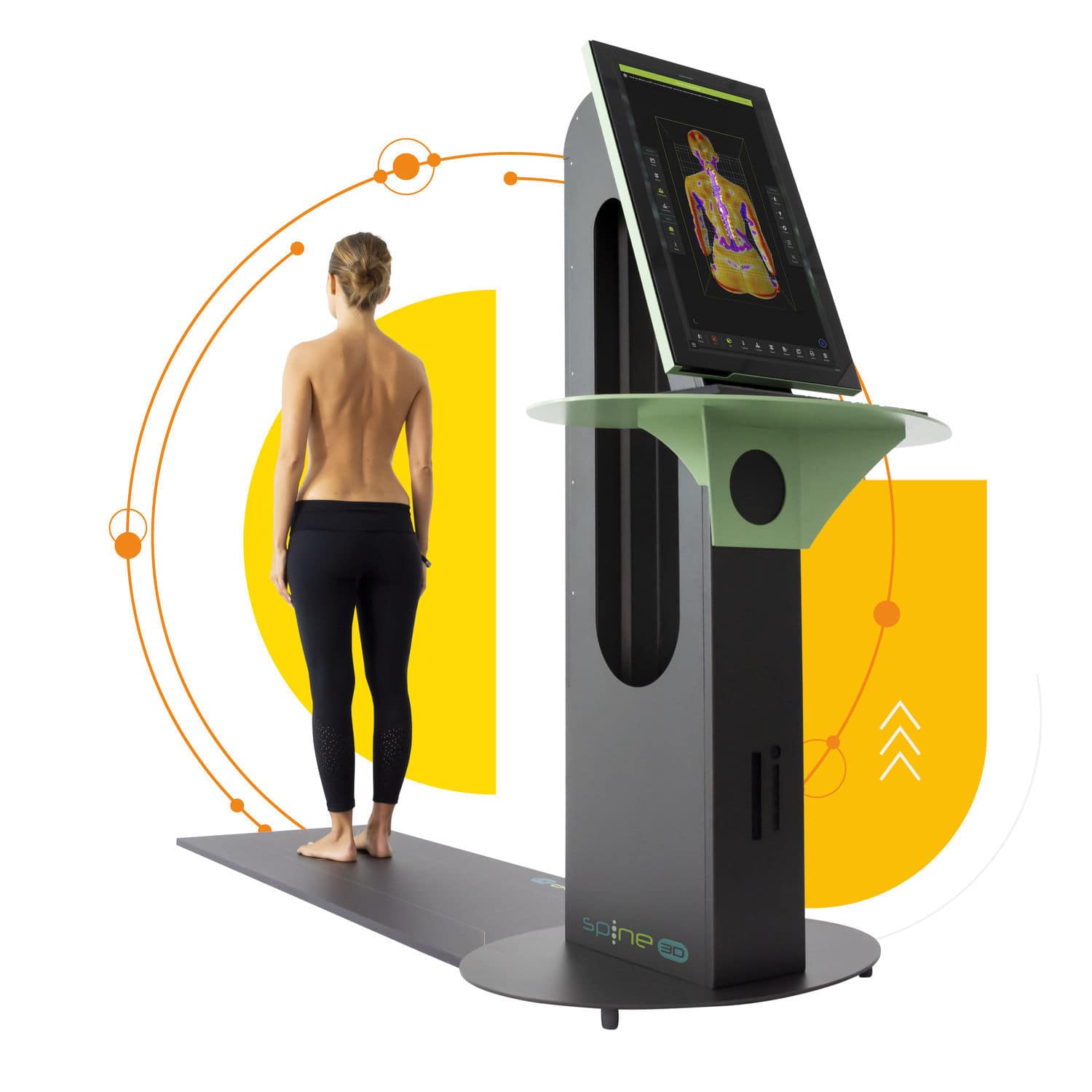
Posture and spine analysis is a critical aspect of understanding musculoskeletal health. It involves assessing the alignment and function of the spine and body posture to identify abnormalities that may lead to pain, discomfort, or long-term health issues. Proper posture is essential for maintaining balance, reducing strain on muscles and ligaments, and preventing spinal deformities. With the increasing prevalence of sedentary lifestyles and poor ergonomic habits, posture and spine analysis has become more important than ever to promote spinal health and overall well-being.
The human spine is a complex structure composed of 33 vertebrae divided into cervical, thoracic, lumbar, sacral, and coccygeal regions. It supports the body’s weight, protects the spinal cord, and allows flexible movement. The natural curves of the spine — cervical lordosis, thoracic kyphosis, and lumbar lordosis — help absorb shock and maintain balance.
Posture refers to the position in which we hold our bodies while standing, sitting, or lying down. Good posture maintains the natural curves of the spine and ensures even distribution of body weight. Poor posture can lead to muscle imbalances, joint stress, and spinal misalignment, potentially causing pain and dysfunction.
Several factors contribute to poor posture and spinal problems, including:
Individuals with posture or spine issues may experience:
Diagnosis begins with a thorough clinical evaluation:
Surgery is considered when conservative treatments fail or in cases of severe deformity, nerve compression, or instability. Common procedures include:
For example, in spinal fusion surgery:
The procedure aims to eliminate motion between vertebrae, reducing pain and preventing further damage.
Potential risks include:
With appropriate treatment, many patients experience significant pain relief and improved function. Early intervention and adherence to rehabilitation protocols enhance outcomes. However, chronic conditions or severe deformities may require ongoing management.
Seek medical attention if you experience:
Early diagnosis and treatment can prevent complications and improve quality of life.
Posture and spine analysis is vital for identifying and managing spinal health issues. Understanding the anatomy, causes, symptoms, and treatment options empowers individuals to take proactive steps toward maintaining a healthy spine. If you experience any concerning symptoms or suspect posture-related problems, consult a healthcare professional for a comprehensive evaluation and personalized care plan. Prioritizing spinal health today can lead to a more comfortable and active tomorrow.
Aenean porta orci nam commodo felis hac ridiculus fusce fames maximus erat sed dictumst blandit arcu suspendisse sollicitudin luctus in nec