Kamala Devi Hospital

Spinal Decompression

Spinal Decompression: A Comprehensive Overview

Spinal decompression is a medical treatment aimed at relieving pressure on the spinal cord or nerves caused by various spinal conditions. This pressure, often resulting from herniated discs, spinal stenosis, or degenerative disc disease, can lead to pain, numbness, and impaired mobility. Spinal decompression is important because it addresses the root cause of nerve compression, potentially restoring function and improving quality of life. Treatments range from non-surgical therapies to surgical interventions, depending on the severity and underlying cause.

Anatomy / Background

The spine is a complex structure composed of 33 vertebrae stacked in a column, separated by intervertebral discs that act as shock absorbers. The spinal cord runs through the vertebral canal, protected by the vertebrae, and gives rise to spinal nerves that exit through openings called foramina. These nerves control sensation and movement in various parts of the body.

Intervertebral discs consist of a tough outer layer called the annulus fibrosus and a gel-like center called the nucleus pulposus. When discs degenerate or herniate, they can impinge on nearby nerves or the spinal cord itself, causing symptoms. Additionally, conditions like spinal stenosis (narrowing of the spinal canal) can compress neural structures.

Understanding this anatomy is crucial to grasp how spinal decompression works to alleviate nerve pressure.

Causes / Etiology

Symptoms / Clinical Presentation

Patients with spinal nerve compression typically present with:

  • Localized Back or Neck Pain: Often the initial symptom.
  • Radiculopathy: Radiating pain along the path of the affected nerve, e.g., sciatica.
  • Numbness or Tingling: Sensory disturbances in the limbs.
  • Muscle Weakness: Due to nerve impairment.
  • Reduced Reflexes: In affected areas.
  • Difficulty Walking or Coordination Problems: In severe cases involving spinal cord compression.
  • Bladder or Bowel Dysfunction: A medical emergency indicating severe compression.

Symptoms vary depending on the level and severity of compression.

Diagnosis

Diagnosis involves a combination of clinical evaluation and imaging studies:

  • Medical History and Physical Examination: Assessment of pain characteristics, neurological deficits, and functional limitations.
  • Neurological Examination: Tests for muscle strength, sensation, reflexes, and gait.
  • Imaging Studies:
    • X-rays: To evaluate bone alignment and degenerative changes.
    • Magnetic Resonance Imaging (MRI): The gold standard for visualizing soft tissues, discs, nerves, and spinal cord.
    • Computed Tomography (CT) Scan: Useful for detailed bone imaging.
    • Electromyography (EMG) and Nerve Conduction Studies: Assess nerve function and identify affected nerves.
  • Myelography: Occasionally used to visualize spinal canal narrowing.

Accurate diagnosis is essential to tailor appropriate treatment.

Treatment Options

Non-Surgical Treatments
  • Physical Therapy: Exercises to strengthen muscles, improve flexibility, and reduce nerve irritation.
  • Medications: Nonsteroidal anti-inflammatory drugs (NSAIDs), muscle relaxants, and neuropathic pain agents.
  • Epidural Steroid Injections: Reduce inflammation around compressed nerves.
  • Activity Modification: Avoiding activities that exacerbate symptoms.
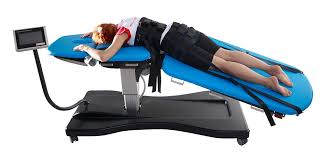
  • Spinal Decompression Therapy (Non-Surgical): Mechanical traction devices that gently stretch the spine to relieve pressure.
Surgical Treatments

Surgery is considered when conservative treatments fail or neurological deficits worsen. Common procedures include:

  • Discectomy: Removal of herniated disc material pressing on nerves.
  • Laminectomy: Removal of part of the vertebra (lamina) to enlarge the spinal canal.
  • Foraminotomy: Widening of the nerve root exit foramen.
  • Spinal Fusion: Stabilizing the spine by fusing adjacent vertebrae.
  • Artificial Disc Replacement: Replacing a damaged disc with a prosthetic.

Procedure Details (Surgical Spinal Decompression)

Taking laminectomy as an example, the procedure typically involves:

  1. Anesthesia: General anesthesia is administered.
  2. Incision: A midline incision is made over the affected vertebrae.
  3. Exposure: Muscles are retracted to expose the vertebrae.
  4. Bone Removal: The lamina is carefully removed to decompress the spinal canal.
  5. Nerve Decompression: Any herniated disc fragments or bone spurs compressing nerves are removed.
  6. Stabilization: If necessary, spinal fusion hardware is placed.
  7. Closure: The incision is closed in layers.

The procedure duration varies but generally lasts 1-3 hours.

Postoperative Care / Rehabilitation

  • Hospital Stay: Usually 1-3 days depending on the procedure.
  • Pain Management: Medications to control postoperative pain.
  • Physical Therapy: Begins with gentle mobilization progressing to strengthening exercises.
  • Activity Restrictions: Avoid heavy lifting, bending, or twisting for several weeks.
  • Follow-Up Visits: Monitor healing and neurological status.
  • Lifestyle Modifications: Weight management, ergonomic adjustments, and regular exercise to prevent recurrence.

Recovery time varies; many patients resume normal activities within 6-12 weeks.

Risks and Complications

Potential risks include:

  • Infection
  • Bleeding or Hematoma
  • Nerve Injury: Leading to weakness, numbness, or paralysis.
  • Spinal Fluid Leak
  • Blood Clots
  • Failed Back Surgery Syndrome: Persistent pain after surgery.
  • Adjacent Segment Disease: Degeneration of spinal segments next to the fusion.
  • Anesthesia Complications

Discussing risks with a healthcare provider is essential before treatment.

Prognosis

Most patients experience significant pain relief and improved function after spinal decompression, especially when treated early. Non-surgical treatments can be effective for mild to moderate cases. Surgical outcomes depend on the severity of compression, patient health, and adherence to rehabilitation. Early intervention generally leads to better prognosis.

When to See a Doctor

Conclusion

Spinal decompression is a vital treatment approach for relieving nerve pressure caused by various spinal conditions. Understanding the anatomy, causes, symptoms, and treatment options empowers patients to make informed decisions. While many cases respond well to conservative care, surgical decompression may be necessary for severe or persistent symptoms. Consulting with a qualified healthcare professional ensures appropriate diagnosis and personalized treatment planning, ultimately improving quality of life and spinal health.

Welcome to KamalaDevi Hospital

Aenean porta orci nam commodo felis hac ridiculus fusce fames maximus erat sed dictumst blandit arcu suspendisse sollicitudin luctus in nec

Make an Appointment.