
Kamala Devi Hospital

Cervical Disc Replacement

Cervical Disc Replacement: A Comprehensive Overview

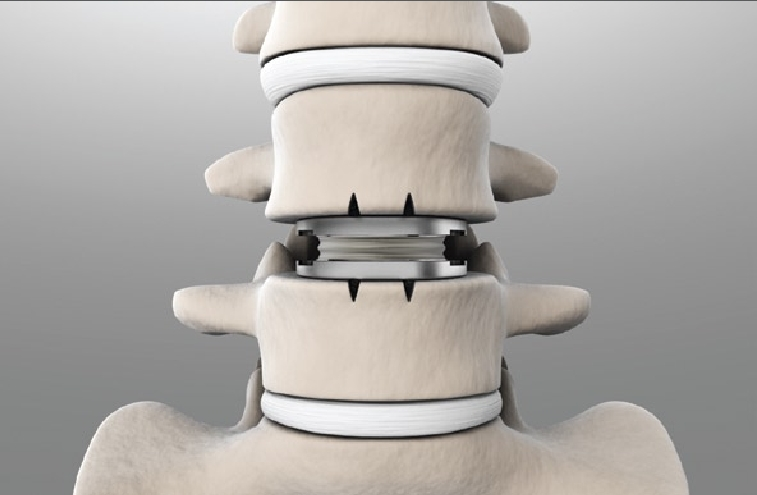
Cervical disc replacement (CDR) is a surgical procedure designed to treat degenerative disc disease or other cervical spine conditions that cause neck pain, arm pain, or neurological symptoms. Unlike traditional spinal fusion, which permanently joins two vertebrae, cervical disc replacement involves removing a damaged cervical disc and replacing it with an artificial disc. This procedure aims to preserve motion at the affected spinal segment, potentially reducing adjacent segment degeneration and improving overall neck function.

Cervical disc replacement is important because it offers an alternative to fusion surgery, which can limit neck mobility and sometimes lead to further spinal problems. For patients suffering from chronic neck pain or nerve compression due to disc degeneration, CDR can provide significant pain relief and functional improvement.

Anatomy / Background

The cervical spine consists of seven vertebrae (C1 to C7) stacked one on top of another, separated by intervertebral discs. These discs act as shock absorbers and allow flexibility and movement of the neck. Each disc has a tough outer layer called the annulus fibrosus and a gel-like center called the nucleus pulposus.

Nerves exit the spinal cord through openings between the vertebrae called foramina. When a cervical disc degenerates, herniates, or collapses, it can compress these nerves or the spinal cord itself, leading to pain, numbness, or weakness in the neck, shoulders, arms, or hands.

Causes / Etiology

Symptoms / Clinical Presentation

Patients with cervical disc problems often present with:

  • Neck pain: Ranging from mild discomfort to severe pain.
  • Radiculopathy: Pain radiating from the neck into the shoulder, arm, or hand.
  • Numbness or tingling: Sensory changes in the arms or hands.
  • Muscle weakness: Due to nerve compression.
  • Reduced neck mobility: Difficulty turning or bending the neck.
  • Headaches: Sometimes associated with cervical spine issues.

Symptoms typically worsen with neck movement and may improve with rest.

Diagnosis

Diagnosing cervical disc problems involves a combination of clinical evaluation and imaging studies:

  • Medical history and physical examination: Assessment of pain, neurological function, and neck mobility.
  • Neurological examination: Testing reflexes, muscle strength, and sensation.
  • Imaging studies:
    • X-rays: To assess alignment and detect bone spurs.
    • Magnetic Resonance Imaging (MRI): Provides detailed images of discs, nerves, and spinal cord.
    • Computed Tomography (CT) scan: Useful for bone detail.
    • Myelography: Sometimes used to evaluate nerve compression.
  • Electrodiagnostic tests: Such as electromyography (EMG) to assess nerve function.

Treatment Options

Non-Surgical Treatments

Initial management often involves conservative measures:

  • Physical therapy: Exercises to improve neck strength and flexibility.
  • Medications: Pain relievers, anti-inflammatory drugs, muscle relaxants.
  • Epidural steroid injections: To reduce inflammation and pain.
  • Activity modification: Avoiding activities that exacerbate symptoms.
  • Use of cervical collars: Short-term immobilization.
Surgical Treatments

When conservative treatments fail or neurological symptoms worsen, surgery may be indicated. Options include:

  • Anterior cervical discectomy and fusion (ACDF): Removal of the disc followed by fusion of adjacent vertebrae.
  • Cervical disc replacement (CDR): Removal of the damaged disc and insertion of an artificial disc to preserve motion.

CDR is preferred in selected patients to maintain neck mobility and reduce stress on adjacent segments.

Procedure Details

Cervical disc replacement is typically performed under general anesthesia and involves the following steps:

  1. Incision: A small incision is made in the front of the neck (anterior approach).
  2. Exposure: The surgeon carefully moves aside muscles, trachea, and esophagus to access the cervical spine.
  3. Disc removal: The damaged disc is removed completely, including any bone spurs compressing nerves.
  4. Preparation of vertebral endplates: The surfaces of the adjacent vertebrae are prepared to receive the artificial disc.
  5. Insertion of artificial disc: The prosthetic disc is inserted and positioned to restore disc height and alignment.
  6. Verification: Imaging (fluoroscopy) confirms correct placement.
  7. Closure: The incision is closed with sutures or staples.

The procedure usually takes 1 to 2 hours, and patients may stay in the hospital for 1 to 2 days.

Postoperative Care / Rehabilitation

Recovery after cervical disc replacement involves:

  • Hospital stay: Monitoring for complications and pain control.
  • Pain management: Medications as prescribed.
  • Activity: Early mobilization is encouraged; heavy lifting and strenuous activities are avoided initially.
  • Physical therapy: Begins a few weeks after surgery to restore neck strength and flexibility.
  • Follow-up visits: Regular check-ups to monitor healing and implant position via X-rays.
  • Lifestyle modifications: Maintaining good posture and avoiding smoking to promote spinal health.

Most patients return to normal activities within 4 to 6 weeks, with full recovery taking several months.

Risks and Complications

While cervical disc replacement is generally safe, potential risks include:

  • Infection
  • Bleeding or hematoma
  • Nerve injury or spinal cord damage
  • Implant displacement or failure
  • Persistent pain or neurological symptoms
  • Adjacent segment degeneration
  • Allergic reaction to implant materials
  • Difficulty swallowing or hoarseness (due to anterior neck approach)

Discussing risks with a spine surgeon is essential before surgery.

Prognosis

Cervical disc replacement has shown favorable outcomes in appropriately selected patients:

  • Significant pain relief and improved function.
  • Preservation of neck motion compared to fusion.
  • Lower risk of adjacent segment degeneration.
  • High patient satisfaction rates.

Long-term studies indicate durable results, but ongoing follow-up is important to monitor implant integrity.

When to See a Doctor

Conclusion

Cervical disc replacement is an advanced surgical option for treating cervical disc degeneration and related nerve compression. By preserving motion and reducing stress on adjacent spinal segments, it offers significant benefits over traditional fusion surgery for many patients. Understanding the anatomy, causes, symptoms, and treatment options can help individuals make informed decisions about their care. If you experience persistent neck pain or neurological symptoms, consult a qualified healthcare professional to explore the best treatment approach tailored to your needs.

Explore More:

Welcome to KamalaDevi Hospital

Aenean porta orci nam commodo felis hac ridiculus fusce fames maximus erat sed dictumst blandit arcu suspendisse sollicitudin luctus in nec

Make an Appointment.