
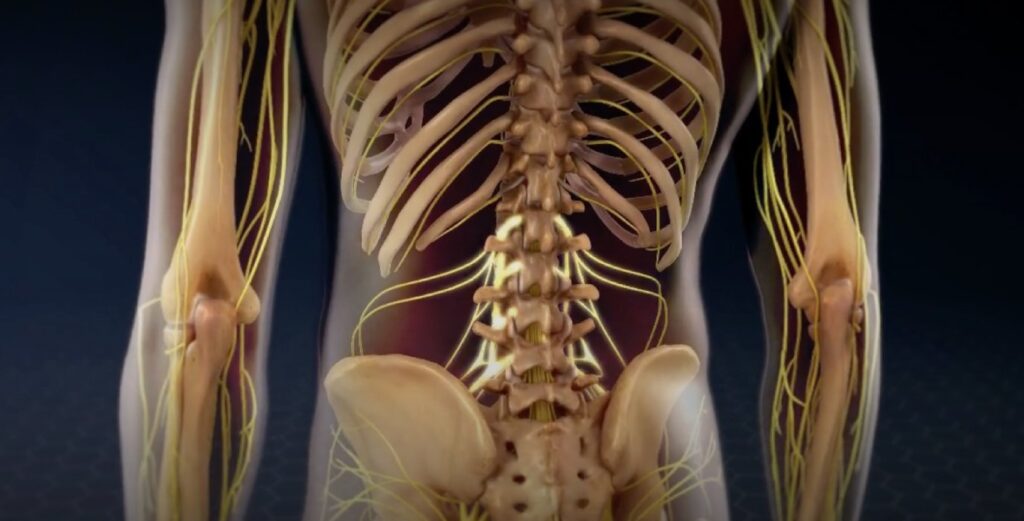
A laminectomy is a surgical procedure performed to relieve pressure on the spinal cord or nerves by removing a portion of the vertebra called the lamina. This operation is commonly used to treat conditions such as spinal stenosis, herniated discs, or tumors that compress neural structures. Given the spine’s critical role in supporting the body and protecting the nervous system, a laminectomy can significantly improve quality of life by alleviating pain, restoring mobility, and preventing neurological deterioration. Understanding this procedure is important for patients considering surgery and for those seeking to learn about spinal health.
The spine is composed of a series of vertebrae stacked one on top of another, forming a protective canal for the spinal cord. Each vertebra has several parts, including the vertebral body (anterior portion) and the vertebral arch (posterior portion). The laminae are flat, bony plates that form the back part of the vertebral arch, covering and protecting the spinal cord and nerve roots.
Between the vertebrae are intervertebral discs that act as cushions and allow flexibility. Nerves exit the spinal cord through openings called foramina. When these spaces narrow or when structures such as discs or bone spurs press on nerves, symptoms like pain, numbness, or weakness can occur. A laminectomy removes the lamina to enlarge the spinal canal and relieve this pressure.
Patients who may benefit from a laminectomy often present with:
Diagnosis begins with a thorough clinical evaluation including:
These investigations help confirm the diagnosis and guide treatment planning.
Before considering surgery, conservative management is often attempted:
If symptoms persist or worsen despite these measures, surgery may be recommended.
When conservative treatments fail or neurological deficits progress, a laminectomy may be indicated to decompress the spinal cord or nerves.
A laminectomy typically involves the following steps:
In some cases, spinal fusion may be performed concurrently to stabilize the spine.
Recovery after laminectomy involves:
Full recovery may take several weeks to months, with gradual improvement in symptoms.
While generally safe, laminectomy carries potential risks such as:
Discussing these risks with a surgeon helps patients make informed decisions.
Most patients experience significant relief of pain and neurological symptoms after laminectomy. Outcomes depend on the severity and duration of nerve compression before surgery. Early intervention often leads to better recovery. Some patients may require ongoing therapy or additional procedures.
A laminectomy is a valuable surgical option for relieving spinal nerve compression caused by various conditions. Understanding the anatomy, causes, symptoms, and treatment options empowers patients to make informed choices. While non-surgical treatments are first-line, surgery may be necessary to restore function and reduce pain. If you experience symptoms suggestive of spinal nerve compression, consult a healthcare professional promptly to explore appropriate evaluation and management. With proper care, many patients achieve meaningful improvement and enhanced quality of life.
Aenean porta orci nam commodo felis hac ridiculus fusce fames maximus erat sed dictumst blandit arcu suspendisse sollicitudin luctus in nec