Kamala Devi Hospital

Removal of Implants

Removal of Implants: A Comprehensive Guide

Implants are medical devices surgically placed inside the body to support, replace, or enhance biological structures. Common examples include orthopedic implants (plates, screws, rods), dental implants, breast implants, and contraceptive implants. While implants often provide significant benefits, there are circumstances where their removal becomes necessary. Understanding the reasons, procedures, and implications of implant removal is crucial for patients and healthcare providers alike. This article provides a detailed overview of implant removal, highlighting its importance, indications, and what patients can expect throughout the process.

Anatomy / Background

The anatomy relevant to implant removal depends on the type and location of the implant. For instance:

  • Orthopedic implants are placed in or around bones and joints to stabilize fractures or replace damaged structures. These implants interact closely with bone tissue, muscles, nerves, and blood vessels.
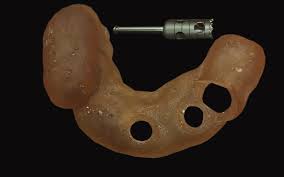
  • Dental implants are titanium posts inserted into the jawbone to support artificial teeth.
  • Breast implants are placed beneath breast tissue or chest muscles.
  • Contraceptive implants are small rods inserted under the skin of the upper arm.

Understanding the surrounding anatomy is essential for safe removal, as implants may be integrated with bone or soft tissues, and nearby neurovascular structures must be preserved.

Causes / Etiology

Symptoms / Clinical Presentation

Symptoms prompting implant removal vary by implant type but commonly include:

  • Pain or tenderness at the implant site.
  • Swelling, redness, or warmth indicating infection.
  • Visible deformity or implant protrusion.
  • Restricted movement or functional impairment (orthopedic implants).
  • Systemic symptoms such as fever in cases of infection.
  • Allergic reactions like rash or localized inflammation.
  • Cosmetic concerns such as asymmetry or dissatisfaction.

Diagnosis

Diagnosis involves a thorough clinical evaluation and appropriate investigations:

  • Medical history and physical examination: Assess symptoms, implant history, and signs of infection or complications.
  • Imaging studies:
    • X-rays: To evaluate implant position, integrity, and bone healing.
    • CT scans or MRI: For detailed assessment of soft tissues and complex anatomy.
  • Laboratory tests: Blood tests to detect infection markers (e.g., elevated white blood cell count, C-reactive protein).
  • Microbiological cultures: If infection is suspected, samples from the implant site may be cultured.
  • Allergy testing: In cases of suspected hypersensitivity.

Treatment Options

Treatment depends on the underlying cause and implant type:

  • Non-surgical management:
    • Antibiotic therapy for infections without implant loosening.
    • Pain management and physical therapy.
    • Observation if asymptomatic and implant is stable.
  • Surgical removal:
    • Indicated when non-surgical measures fail or complications arise.
    • Removal may be partial or complete depending on the situation.
    • Timing of removal is critical, especially in orthopedic cases, to ensure bone healing.

Procedure Details

The surgical removal procedure varies by implant type but generally includes the following steps:

  1. Preoperative preparation:
    • Patient evaluation and informed consent.
    • Imaging review and planning.
    • Administration of anesthesia (local, regional, or general).
  2. Incision and exposure:
    • Reopening the previous surgical site or creating a new incision.
    • Careful dissection to expose the implant while preserving surrounding tissues.
  3. Implant extraction:
    • Removal of screws, plates, rods, or other devices using specialized instruments.
    • In cases of bone-integrated implants (e.g., dental), careful detachment to minimize bone loss.
  4. Site inspection and management:
    • Debridement of infected or necrotic tissue if present.
    • Hemostasis and irrigation.
  5. Closure:
    • Layered closure of soft tissues.
    • Application of dressings or drains if necessary.
  6. Postoperative monitoring:
    • Observation for immediate complications.

Postoperative Care / Rehabilitation

Recovery depends on the implant type and extent of surgery:

  • Pain control: Analgesics as prescribed.
  • Wound care: Keeping the surgical site clean and dry.
  • Activity modification: Limited movement or weight-bearing restrictions, especially after orthopedic implant removal.
  • Physical therapy: To restore function and strength.
  • Follow-up visits: To monitor healing and detect complications.
  • Antibiotics: If infection was present.
  • Patient education: Signs of complications and when to seek help.

Risks and Complications

Potential risks include:

  • Infection: Postoperative wound infection.
  • Bleeding or hematoma formation.
  • Nerve or blood vessel injury.
  • Fracture or structural weakness after implant removal.
  • Incomplete removal or implant fragments left behind.
  • Delayed healing or nonunion (orthopedic cases).
  • Anesthesia-related risks.
  • Recurrence of symptoms.

Prognosis

The prognosis after implant removal is generally favorable when performed for appropriate indications. Most patients experience relief from symptoms such as pain or infection. However, outcomes depend on:

  • The reason for removal.
  • The patient’s overall health.
  • The complexity of the procedure.
  • Adequacy of postoperative care.

In orthopedic cases, bone strength and function typically recover well, but some patients may require additional interventions.

When to See a Doctor

Conclusion

Implant removal is a significant medical procedure that may be necessary for various reasons, including infection, implant failure, pain, or cosmetic concerns. Understanding the indications, diagnostic process, treatment options, and postoperative care is essential for patients considering or facing implant removal. If you have an implant and experience any concerning symptoms, consult a healthcare professional promptly. Proper evaluation and management can ensure the best possible outcome and maintain your health and quality of life.

Welcome to KamalaDevi Hospital

Aenean porta orci nam commodo felis hac ridiculus fusce fames maximus erat sed dictumst blandit arcu suspendisse sollicitudin luctus in nec

Make an Appointment.