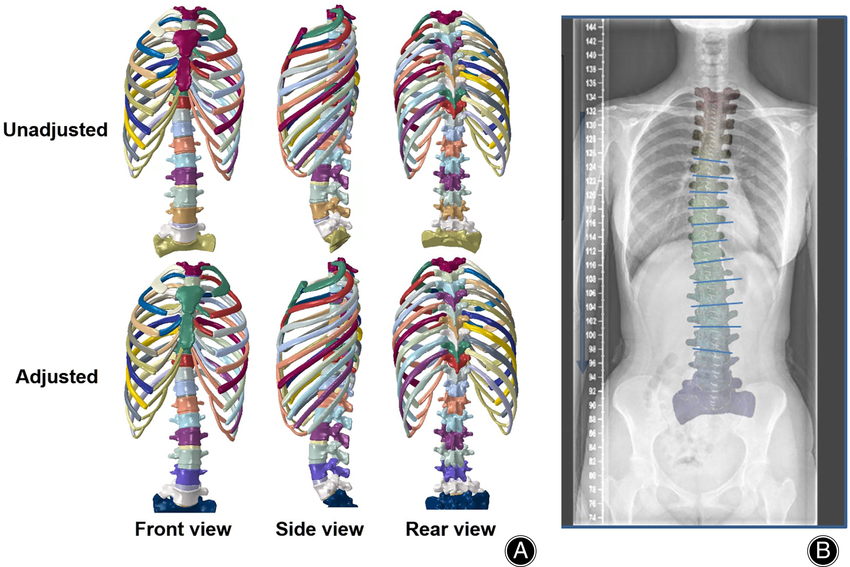
Scoliosis is a medical condition characterized by an abnormal lateral curvature of the spine. While mild scoliosis may cause minimal symptoms, severe cases can lead to pain, deformity, and impaired function. Scoliosis correction surgery is a specialized procedure aimed at straightening the spine, preventing progression of the curve, and improving quality of life. This surgery is important because untreated severe scoliosis can result in respiratory issues, chronic pain, and reduced mobility. Understanding scoliosis correction surgery helps patients and families make informed decisions about treatment options.
The human spine is composed of 33 vertebrae stacked vertically, forming a natural S-shaped curve when viewed from the side. This curvature helps absorb shock and maintain balance. When viewed from the back, a healthy spine appears straight. In scoliosis, the spine curves sideways, often accompanied by vertebral rotation, leading to a three-dimensional deformity.
The spine is divided into three regions:
Scoliosis most commonly affects the thoracic and lumbar regions. The spinal cord runs through the vertebral canal, and nerves exit between vertebrae to control sensation and movement. The muscles, ligaments, and discs surrounding the spine provide support and flexibility.
Symptoms of scoliosis vary depending on the severity and progression of the curve:
Children and adolescents may not experience pain but may notice cosmetic changes or posture abnormalities.
Diagnosis of scoliosis involves a combination of clinical examination and imaging studies:
A Cobb angle greater than 10 degrees confirms scoliosis. Curves over 40-50 degrees in growing children or symptomatic adults are often considered for surgery.
Surgery is recommended for:
The goal of surgery is to correct the curve, stabilize the spine, and prevent further progression.
The most common scoliosis correction surgery is spinal fusion with instrumentation:
Minimally invasive techniques and growing rods may be used in select pediatric cases.
Full recovery may take 6-12 months, with gradual return to normal activities.
As with any major surgery, scoliosis correction carries risks:
Careful surgical technique and postoperative monitoring minimize these risks.
Most patients experience significant improvement in spinal alignment, posture, and quality of life after surgery. Pain relief and prevention of curve progression are common outcomes. Long-term follow-up shows durable correction and fusion in the majority of cases. Early intervention generally leads to better results.
Scoliosis correction surgery is a vital option for patients with severe or progressive spinal curvature. Understanding the anatomy, causes, symptoms, and treatment options empowers patients to make informed decisions. While non-surgical methods are effective for mild cases, surgery offers lasting correction and improved function for advanced scoliosis. If you suspect scoliosis or have been diagnosed, consult a spine specialist to discuss the best individualized treatment plan. Early intervention and expert care can help maintain spinal health and enhance quality of life.
Aenean porta orci nam commodo felis hac ridiculus fusce fames maximus erat sed dictumst blandit arcu suspendisse sollicitudin luctus in nec