
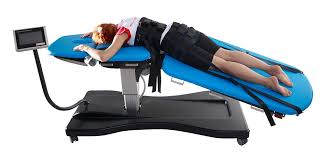
Spinal decompression is a medical treatment aimed at relieving pressure on the spinal cord or nerves caused by various spinal conditions. This pressure, often resulting from herniated discs, spinal stenosis, or degenerative disc disease, can lead to pain, numbness, and impaired mobility. Spinal decompression is important because it addresses the root cause of nerve compression, potentially restoring function and improving quality of life. Treatments range from non-surgical therapies to surgical interventions, depending on the severity and underlying cause.
The spine is a complex structure composed of 33 vertebrae stacked in a column, separated by intervertebral discs that act as shock absorbers. The spinal cord runs through the vertebral canal, protected by the vertebrae, and gives rise to spinal nerves that exit through openings called foramina. These nerves control sensation and movement in various parts of the body.
Intervertebral discs consist of a tough outer layer called the annulus fibrosus and a gel-like center called the nucleus pulposus. When discs degenerate or herniate, they can impinge on nearby nerves or the spinal cord itself, causing symptoms. Additionally, conditions like spinal stenosis (narrowing of the spinal canal) can compress neural structures.
Understanding this anatomy is crucial to grasp how spinal decompression works to alleviate nerve pressure.
Patients with spinal nerve compression typically present with:
Symptoms vary depending on the level and severity of compression.
Diagnosis involves a combination of clinical evaluation and imaging studies:
Accurate diagnosis is essential to tailor appropriate treatment.
Surgery is considered when conservative treatments fail or neurological deficits worsen. Common procedures include:
Taking laminectomy as an example, the procedure typically involves:
The procedure duration varies but generally lasts 1-3 hours.
Recovery time varies; many patients resume normal activities within 6-12 weeks.
Potential risks include:
Discussing risks with a healthcare provider is essential before treatment.
Most patients experience significant pain relief and improved function after spinal decompression, especially when treated early. Non-surgical treatments can be effective for mild to moderate cases. Surgical outcomes depend on the severity of compression, patient health, and adherence to rehabilitation. Early intervention generally leads to better prognosis.
Spinal decompression is a vital treatment approach for relieving nerve pressure caused by various spinal conditions. Understanding the anatomy, causes, symptoms, and treatment options empowers patients to make informed decisions. While many cases respond well to conservative care, surgical decompression may be necessary for severe or persistent symptoms. Consulting with a qualified healthcare professional ensures appropriate diagnosis and personalized treatment planning, ultimately improving quality of life and spinal health.
Aenean porta orci nam commodo felis hac ridiculus fusce fames maximus erat sed dictumst blandit arcu suspendisse sollicitudin luctus in nec