
Foot drop is usually diagnosed during a physical exam. Your healthcare professional will watch you walk and check your leg muscles for weakness. Your health professional also may check for numbness on your shin and on the top of your foot and toes.
Extensive surgery used to be the main treatment to correct clubfoot. But today, healthcare providers typically use a combination of nonsurgical methods and a minor procedure.
Electromyography (EMG) and nerve conduction studies measure electrical activity in the muscles and nerves. These tests can be uncomfortable, but they’re useful in determining the location of the damage along the affected nerve.
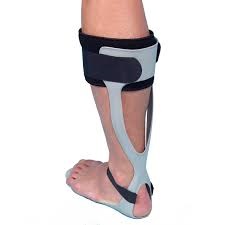
Treatment for foot drop depends on the cause. If the cause is successfully treated, foot drop might improve or even disappear. If the cause can’t be treated, foot drop can be permanent.
Treatment for foot drop might include:
Because foot drop can increase your risk of tripping and falling, consider taking these precautions around your house:
You’re likely to start by seeing your family healthcare professional. Depending on the suspected cause of foot drop, you may be referred to a doctor who specializes in brain and nerve disorders, called a neurologist.
Here’s some information to help you get ready for your appointment.
Make a list of:
For foot drop, questions to ask your care team include:
Don’t hesitate to ask other questions.
Your healthcare professional is likely to ask questions, such as:
Aenean porta orci nam commodo felis hac ridiculus fusce fames maximus erat sed dictumst blandit arcu suspendisse sollicitudin luctus in nec