
Kamala Devi Hospital

Range Of Motion (ROM) Test

Range Of Motion (ROM) Test : A Comprehensive Overview

Introduction

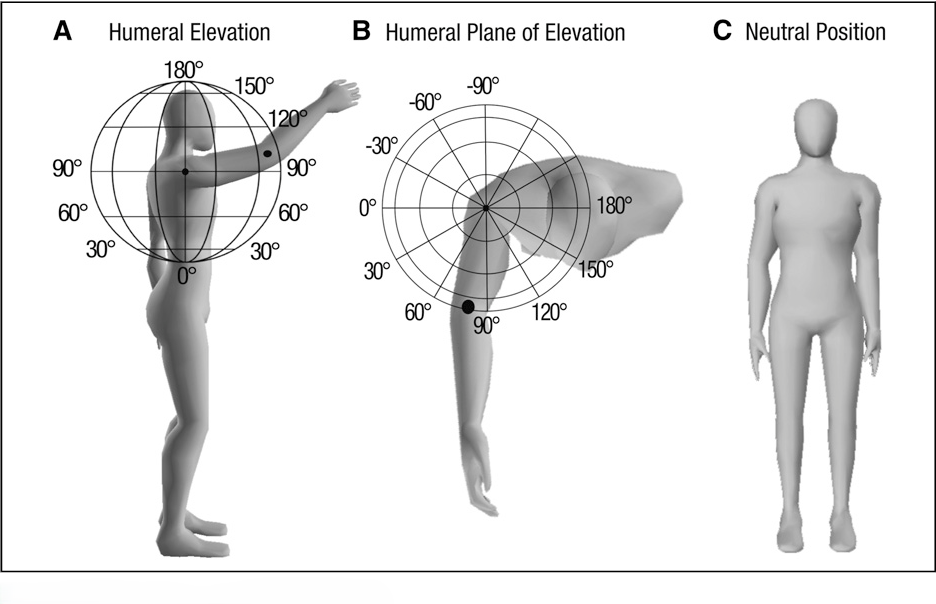
The Range of Motion (ROM) test is a fundamental clinical assessment used to evaluate the movement capacity of a joint or series of joints. It measures the degree to which a joint can move in various directions, such as flexion, extension, abduction, and rotation. ROM testing is crucial in diagnosing musculoskeletal conditions, monitoring rehabilitation progress, and guiding treatment plans. Whether you are recovering from an injury, managing a chronic condition like arthritis, or simply maintaining joint health, understanding ROM tests can empower you to take an active role in your care.

Anatomy / Background

Joints are the connections between bones that allow movement and provide mechanical support. The range of motion of a joint depends on its anatomical structure, including the shape of the articulating bones, the integrity of ligaments, tendons, muscles, and the joint capsule. For example:

  • Hinge joints (e.g., elbow, knee) primarily allow movement in one plane (flexion and extension).
  • Ball-and-socket joints (e.g., shoulder, hip) permit movement in multiple planes, including rotation.
  • Pivot joints (e.g., neck) allow rotational movement.

Muscles contract to move bones at joints, while ligaments and joint capsules provide stability. Any disruption in these structures can limit the joint’s range of motion.

Causes / Etiology

Reduced or abnormal range of motion can result from various causes, including:

  • Injury: Sprains, strains, fractures, or dislocations can damage joint structures.
  • Arthritis: Osteoarthritis and rheumatoid arthritis cause joint inflammation and degeneration.
  • Muscle tightness or weakness: Imbalances can restrict movement.
  • Neurological conditions: Stroke, multiple sclerosis, or nerve injuries may impair muscle control.
  • Post-surgical stiffness: Scar tissue formation after surgery can limit mobility.
  • Congenital abnormalities: Some individuals are born with joint deformities affecting ROM.
  • Infections: Septic arthritis can cause joint swelling and stiffness.
  • Immobilization: Prolonged inactivity or casting can lead to joint stiffness.

Symptoms / Clinical Presentation

Patients with limited or abnormal ROM may experience:

  • Joint stiffness: Difficulty moving the joint through its full range.
  • Pain: Discomfort during movement or at rest.
  • Swelling: Inflammation around the joint.
  • Weakness: Reduced muscle strength supporting the joint.
  • Deformity: Visible changes in joint shape or alignment.
  • Functional limitations: Difficulty performing daily activities such as walking, reaching, or gripping.

Diagnosis

Diagnosing ROM limitations involves a combination of clinical examination and diagnostic tests:

  • Physical examination: The healthcare provider assesses active (patient moves joint) and passive (examiner moves joint) ROM using goniometers or inclinometers to measure angles precisely.
  • Patient history: Understanding onset, duration, and associated symptoms.
  • Imaging studies: X-rays, MRI, or ultrasound may be used to evaluate joint structures, detect arthritis, fractures, or soft tissue injuries.
  • Laboratory tests: Blood tests may be ordered if inflammatory or infectious causes are suspected.

Treatment Options

Treatment depends on the underlying cause and severity of ROM limitation.

Non-Surgical Treatments
  • Physical therapy: Targeted exercises to improve flexibility, strength, and joint function.
  • Medications: Anti-inflammatory drugs, analgesics, or corticosteroid injections to reduce pain and swelling.
  • Heat and cold therapy: To alleviate stiffness and inflammation.
  • Assistive devices: Braces or splints to support joints.
  • Activity modification: Avoiding movements that exacerbate symptoms.
Surgical Treatments

Surgery may be necessary when conservative measures fail or in cases of severe joint damage:

  • Arthroscopy: Minimally invasive procedure to remove damaged tissue or repair ligaments.
  • Joint replacement: For advanced arthritis, replacing the joint with a prosthesis.
  • Joint release or capsulotomy: Surgical release of tight joint capsules or scar tissue.
  • Fracture fixation: Repairing broken bones affecting joint movement.

Procedure Details (if surgical or procedural)

For example, in an arthroscopic joint release:

  1. The patient is positioned and given anesthesia.
  2. Small incisions are made around the joint.
  3. A camera (arthroscope) is inserted to visualize the joint interior.
  4. Specialized instruments remove scar tissue, inflamed synovium, or adhesions.
  5. The joint is irrigated and inspected for other damage.
  6. Incisions are closed, and a sterile dressing is applied.

The procedure typically lasts 30 minutes to 2 hours depending on complexity.

Postoperative Care / Rehabilitation

  • Pain management: Medications and ice packs.
  • Physical therapy: Early mobilization exercises to restore ROM and prevent stiffness.
  • Wound care: Keeping surgical sites clean and dry.
  • Follow-up visits: To monitor healing and adjust therapy.
  • Gradual return to activities: Avoiding overuse while regaining strength and flexibility.

Risks and Complications

Potential risks of ROM testing and related treatments include:

  • Pain or discomfort during testing or therapy.
  • Joint injury if excessive force is applied.
  • Infection after surgical procedures.
  • Bleeding or swelling post-surgery.
  • Nerve or blood vessel damage during invasive procedures.
  • Incomplete recovery or persistent stiffness.
  • Allergic reactions to medications.

Prognosis

With appropriate diagnosis and treatment, many patients experience significant improvement in joint mobility and function. Early intervention and adherence to rehabilitation protocols enhance outcomes. Chronic or severe joint conditions may require ongoing management but can often be controlled to maintain quality of life.

When to See a Doctor

Seek medical attention if you experience:

  • Persistent joint stiffness or pain limiting daily activities.
  • Sudden loss of joint movement after injury.
  • Swelling, redness, or warmth around a joint.
  • Signs of infection such as fever with joint symptoms.
  • Neurological symptoms like numbness or weakness.
  • Failure to improve with home care measures.

Conclusion

The Range of Motion (ROM) test is a vital tool in assessing joint health and guiding treatment for various musculoskeletal conditions. Understanding the anatomy, causes of limited ROM, and available treatment options can help patients and caregivers make informed decisions. If you notice joint stiffness, pain, or functional limitations, consult a healthcare professional promptly to receive a thorough evaluation and personalized care plan. Early diagnosis and intervention are key to preserving joint function and enhancing quality of life.

Welcome to KamalaDevi Hospital

Aenean porta orci nam commodo felis hac ridiculus fusce fames maximus erat sed dictumst blandit arcu suspendisse sollicitudin luctus in nec

Make an Appointment.