Kamala Devi Hospital

Uric Acid Test : A Comprehensive Overview

The uric acid test is a common blood test that measures the level of uric acid in the bloodstream. Uric acid is a waste product formed from the breakdown of purines, substances found naturally in the body and in certain foods. Monitoring uric acid levels is important because elevated levels can lead to health issues such as gout, kidney stones, and other metabolic disorders. This test helps healthcare providers diagnose and manage these conditions effectively.

Anatomy / Background

Uric acid is produced primarily in the liver during the metabolism of purines. Normally, uric acid dissolves in the blood, passes through the kidneys, and is excreted in urine. The kidneys play a crucial role in maintaining uric acid balance by filtering and eliminating excess amounts. When the body produces too much uric acid or the kidneys fail to excrete enough, uric acid accumulates in the blood, a condition known as hyperuricemia.

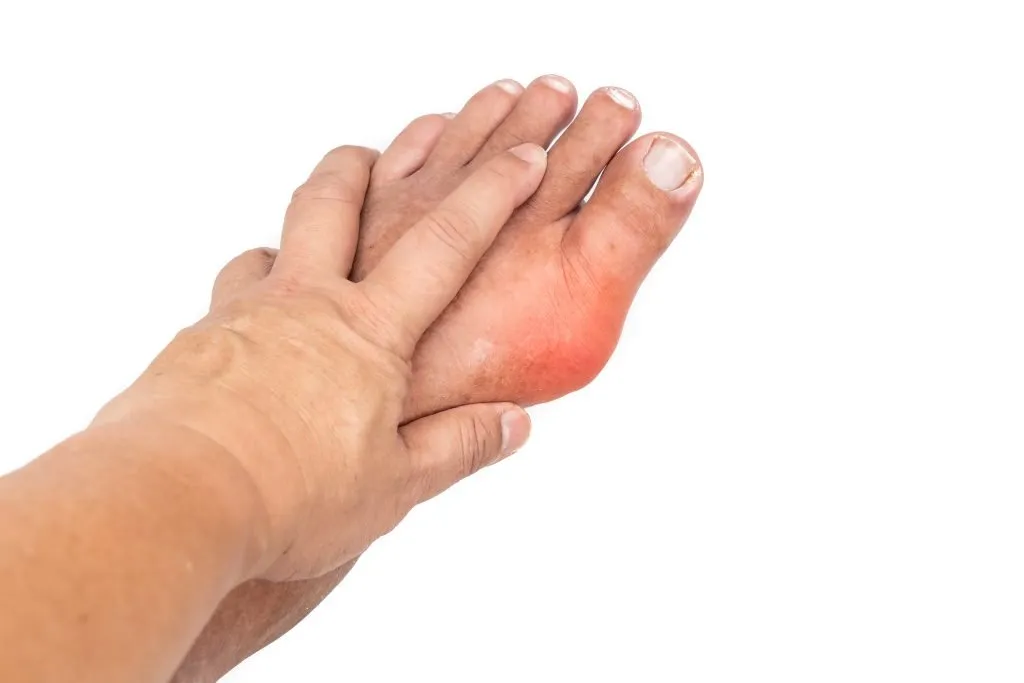
Hyperuricemia can lead to the formation of urate crystals, which deposit in joints and tissues, causing inflammation and pain. Understanding the physiological process of uric acid production and excretion is essential to grasp why testing its levels is clinically significant.

Causes / Etiology

Symptoms / Clinical Presentation

Patients may also report fatigue or general malaise if underlying conditions are present.

Diagnosis

The uric acid test is a straightforward blood test that measures serum uric acid concentration. Diagnosis involves:

  • Clinical Examination: Assessment of joint pain, swelling, and history of gout attacks.
  • Blood Test: A blood sample is drawn, usually from a vein in the arm, and analyzed for uric acid levels.
  • Urine Test: Sometimes a 24-hour urine collection is done to evaluate uric acid excretion.
  • Imaging: X-rays or ultrasound may be used to detect joint damage or kidney stones.
  • Synovial Fluid Analysis: In cases of gout, fluid from an inflamed joint may be examined for urate crystals.

Normal uric acid levels typically range from 3.5 to 7.2 mg/dL in men and 2.6 to 6.0 mg/dL in women, but reference ranges can vary by laboratory.

Treatment Options

Treatment aims to reduce uric acid levels and manage symptoms:

Non-Surgical Treatments

  • Lifestyle Modifications: Dietary changes to reduce purine intake, increased hydration, weight loss, and limiting alcohol.
  • Medications:
    • Urate-Lowering Therapy: Allopurinol, febuxostat, or probenecid to reduce uric acid production or increase excretion.
    • Anti-Inflammatory Drugs: NSAIDs, colchicine, or corticosteroids to control gout attacks.
  • Management of Underlying Conditions: Controlling hypertension, diabetes, and obesity.

Surgical Treatments

Surgery is rarely needed but may be considered for:

  • Removal of Large Tophi: When tophi cause deformity or do not respond to medical therapy.
  • Kidney Stone Removal: Procedures like lithotripsy or surgical extraction if stones cause obstruction or pain.

Procedure Details (If Surgical or Procedural)

For surgical removal of tophi or kidney stones:

  1. Preoperative Assessment: Imaging studies and blood tests to evaluate the extent of disease.
  2. Anesthesia: Local or general anesthesia depending on the procedure.
  3. Surgical Removal: Incision and excision of tophi or minimally invasive techniques for stone removal.
  4. Closure and Dressing: Wound closure and sterile dressing application.
  5. Postoperative Monitoring: Observation for complications such as infection or bleeding.

Postoperative Care / Rehabilitation

  • Wound Care: Keeping the surgical site clean and dry.
  • Pain Management: Use of prescribed analgesics.
  • Physical Therapy: To restore joint function and mobility if surgery involved joints.
  • Follow-Up Visits: Regular monitoring of uric acid levels and kidney function.
  • Lifestyle Adherence: Continued dietary and medication compliance to prevent recurrence.

Risks and Complications

Potential risks include:

  • Infection: At the surgical site or systemic.
  • Bleeding: During or after surgery.
  • Allergic Reactions: To medications used in treatment.
  • Kidney Damage: From persistent high uric acid or stones.
  • Joint Damage: Due to chronic gout.
  • Medication Side Effects: Such as rash, liver toxicity, or gastrointestinal upset.

Prognosis

With appropriate management, most patients can control uric acid levels and prevent complications. Early diagnosis and treatment improve outcomes significantly. Chronic untreated hyperuricemia may lead to joint destruction, kidney disease, and decreased quality of life.

When to See a Doctor

conclusion

The uric acid test is a vital diagnostic tool for detecting and managing conditions related to abnormal uric acid metabolism, such as gout and kidney stones. Understanding the causes, symptoms, and treatment options empowers patients to take proactive steps toward health. If you suspect elevated uric acid or experience related symptoms, consult a healthcare professional for appropriate testing and personalized care. Maintaining a healthy lifestyle and adhering to medical advice can significantly improve outcomes and quality of life.

Welcome to KamalaDevi Hospital

Aenean porta orci nam commodo felis hac ridiculus fusce fames maximus erat sed dictumst blandit arcu suspendisse sollicitudin luctus in nec

Make an Appointment.