
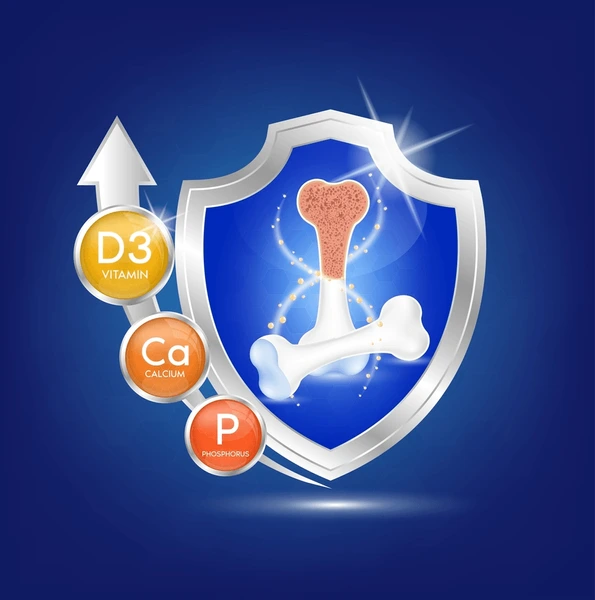
Calcium, potassium, and vitamin D are essential nutrients that play critical roles in maintaining overall health. These elements are vital for bone strength, muscle function, nerve signaling, and numerous metabolic processes. Monitoring and maintaining optimal levels of calcium, potassium, and vitamin D is crucial because imbalances can lead to serious health issues such as osteoporosis, cardiovascular problems, muscle weakness, and immune dysfunction.
This article provides a detailed overview of calcium, potassium, and vitamin D levels, explaining their physiological importance, causes of imbalance, symptoms, diagnosis, treatment options, and when to seek medical advice. Understanding these nutrients helps individuals make informed decisions about their health and wellness.
Calcium is the most abundant mineral in the human body, primarily stored in bones and teeth, where it provides structural support. It also plays a vital role in blood clotting, muscle contraction, nerve transmission, and hormone secretion. The body tightly regulates blood calcium levels through the actions of the parathyroid hormone (PTH), calcitonin, and vitamin D.
Potassium is a key electrolyte found mainly inside cells. It is essential for maintaining cellular function, nerve impulse transmission, muscle contraction, and heart rhythm. Potassium helps regulate fluid balance and acid-base balance in the body.
Vitamin D is a fat-soluble vitamin that facilitates calcium absorption in the gut and maintains adequate serum calcium and phosphate concentrations to enable normal bone mineralization. It also modulates immune function and inflammation. The body synthesizes vitamin D in the skin upon exposure to sunlight, and it can also be obtained from dietary sources.
Diagnosis involves a combination of clinical evaluation and laboratory investigations:
Surgery is rarely required for these imbalances but may be necessary in specific cases such as:
With timely diagnosis and appropriate management, most patients achieve good outcomes. Maintaining balanced calcium, potassium, and vitamin D levels supports bone health, cardiovascular function, and overall well-being. Untreated imbalances can lead to serious complications, but these are largely preventable with proper care.
Calcium, potassium, and vitamin D are fundamental to many physiological processes, especially bone and muscle health. Understanding their roles, recognizing symptoms of imbalance, and seeking timely medical care are essential for maintaining optimal health. Regular check-ups and blood tests can help monitor these levels, particularly in at-risk populations. Always consult healthcare professionals before starting supplements or treatments to ensure safe and effective management tailored to your individual needs.
Aenean porta orci nam commodo felis hac ridiculus fusce fames maximus erat sed dictumst blandit arcu suspendisse sollicitudin luctus in nec